
Choosing a painter in Monterey County can feel like a big decision. From sunny homes in Salinas to historic houses in Pacific Grove, every project is different. Many people feel unsure and just pick someone online, hoping it works out.
But what if you could hire a painter with complete confidence? The best painting contractors are happy to answer tough questions. They are proud of their work and honest about how they do it. This guide gives you the 7 questions to ask before hiring a painter in Monterey County.
Asking these questions helps you avoid common problems like surprise costs or sloppy work. You'll be able to tell a real pro from someone less qualified. Let's make sure your next painting project looks great and adds value to your home.
1. Are You Licensed and Insured?
This is the most important question to ask first. It makes sure your project is safe and legal. Skipping this step can lead to big money and legal problems.
A licensed and insured painter follows the law. They have protection in place for you, your home, and their workers.
Why This Is a Must-Ask
In California, any painting project over $1,000 requires a C-33 Painting license. This license proves the painter has the right experience and passed state exams.
Insurance is just as important. A pro painter should have two types:
- General Liability Insurance: This covers accidental damage to your property. If a painter spills paint on your floor or breaks a window, this insurance pays for it.
- Workers' Compensation Insurance: This is required for any painting company with employees. It covers medical bills if a worker gets hurt on your property. Without it, you could be responsible.
What a Good Answer Sounds Like
The right painter will say "Yes" and give you their license number. They will also be ready to show you proof of their insurance.
Red Flag Warning: Be careful if a contractor hesitates or says they don't need a license. Offering a lower price to work "under the table" is a bad sign. It often leads to poor work with no way to fix problems.
How to Check for Yourself
Don't just take their word for it. It's easy to check.
- Verify the License: Go to the CSLB website (cslb.ca.gov) and use their "Instant License Check." Make sure the license is active and belongs to them.
- Request Insurance Papers: Ask for a current Certificate of Insurance (COI). Check the expiration dates and make sure the coverage is enough for your project.
- Keep Records: Save a copy of their license and insurance papers for your records.
Asking this question first helps you weed out risky painters. For more tips on checking contractors, use our contractor hiring checklist on legacypaintingrenovating.com.
2. Do You Have References and a Portfolio?
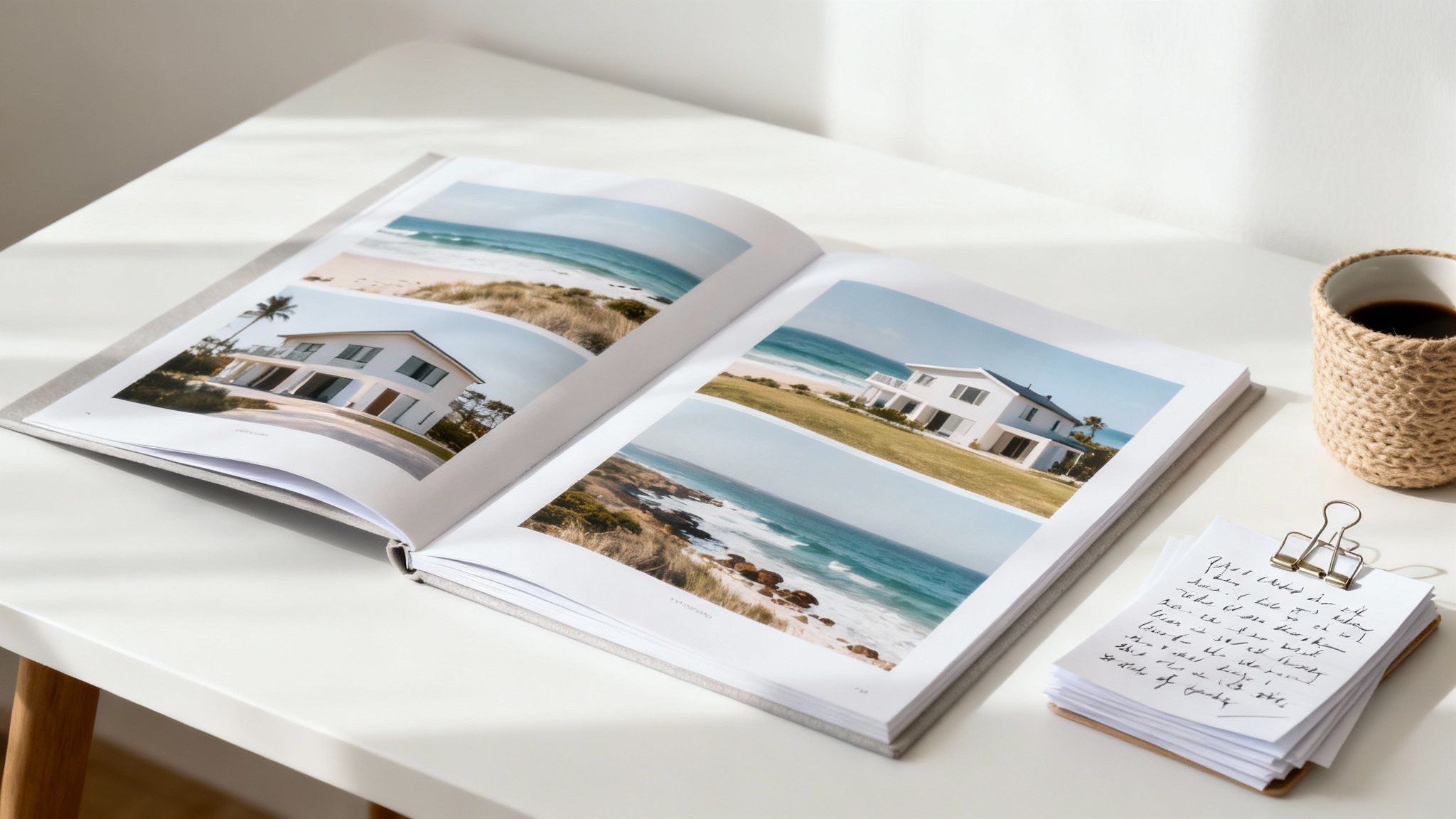
Once you know a painter is licensed and insured, you need to see their work. This question helps you look at real results, not just promises. A painter's past work and what other customers say are the best signs of what you can expect.
Why This Is a Must-Ask
A portfolio shows a painter's skill with different types of homes. This is important in Monterey County, where you might have a modern home in Carmel or a Victorian in Pacific Grove.
References tell you what it's like to work with the painter. This helps you find out:
- Quality: Does their finished work look professional and neat?
- Reliability: Did they show up on time and finish on schedule?
- Professionalism: Were they polite, clean, and easy to talk to?
What a Good Answer Sounds Like
A good painter will be happy to share photos of their work. They should also give you a list of past clients you can call. Ideally, these will be from jobs similar to yours.
Red Flag Warning: Be careful if a painter can't show you a portfolio or won't give you references. Excuses like "client privacy" may mean they have unhappy customers or not much experience.
How to Check for Yourself
Don't just look at the pictures. Dig a little deeper.
- Ask for Relevant Photos: Ask to see projects like yours. If you want a special finish, ask for examples.
- Call Their References: Call two or three references. Ask them about their experience, including how clean and timely the painter was.
- Ask Good Questions: Ask how the painter handled prep work and if they stayed on budget.
Checking past work is a great way to make sure you'll get a beautiful paint job. Find more tips on how to choose the best house painting company near Pacific Grove on legacypaintingrenovating.com.
3. What is Your Experience With Our Local Climate?
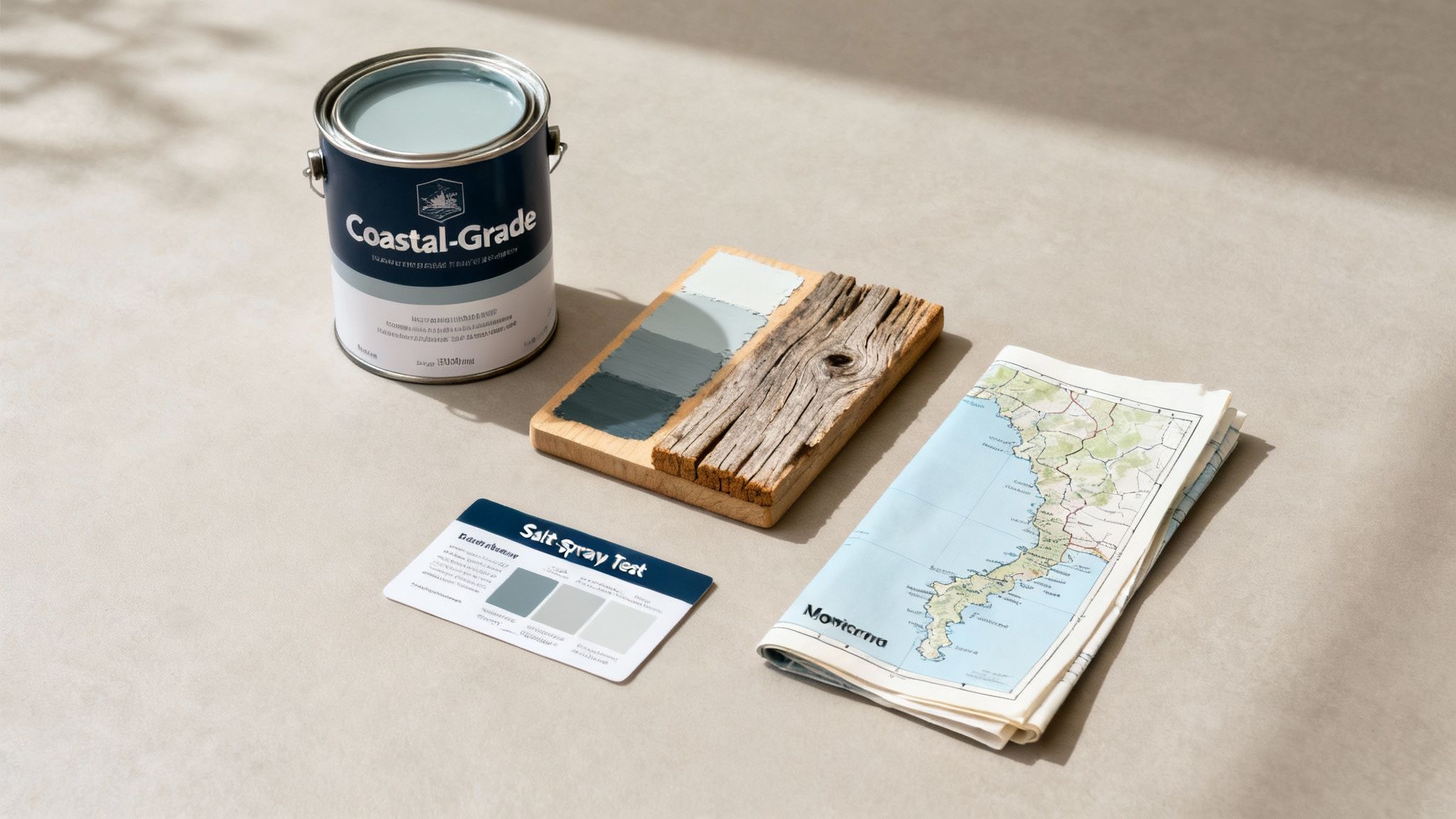
Painting in Monterey County is different. The fog, salt air, and changing weather can make paint fail faster. This question helps you see if a painter knows how to handle our coastal climate.
Why This Is a Must-Ask
A painter can't treat a home in sunny Carmel Valley the same as one on the water in Monterey. The coastal air causes mildew and rust.
An experienced local painter knows that the right prep work and materials are key. They know which paints can handle moisture and which primers stop rust. This special knowledge helps your paint job last much longer.
What a Good Answer Sounds Like
A good local painter will talk about how they fight climate challenges. They might give examples of work they did in foggy areas or near the ocean.
Their answer should include:
- Specific Products: They may suggest mildew-resistant paints or rust-blocking primers.
- Detailed Prep: They should explain how they clean salt and mildew off surfaces.
- Brand Knowledge: They will know which paint brands work best for coastal homes.
Red Flag Warning: Be careful if a painter gives a vague answer like "all paint is the same." If they can't explain how they would handle a home near the ocean versus one in Salinas, they probably don't have the right local experience.
How to Check for Yourself
Ask more questions to confirm they know their stuff.
- Ask "What If" Questions: For example, ask, "How would you prepare my metal deck railings to prevent rust?"
- Ask About Paint Choices: Ask why they recommend a certain brand or type of paint for your home.
- Discuss Timing: A good local painter knows the fog can cause delays. Ask them how they handle scheduling around the weather. Check out our guide on the best time to paint a house exterior on legacypaintingrenovating.com.
4. Can You Provide a Detailed Written Estimate?
A price written on a business card is not a real contract. A detailed, written estimate protects both you and the painter from confusion. It shows they are professional and sets clear expectations for the job.

Why This Is a Must-Ask
A detailed estimate is a plan for your project. It prevents surprise costs and arguments over what was included. It also lets you compare quotes from different painters fairly.
A professional estimate should include:
- Scope of Work: Lists every surface to be painted. It should also detail prep work like washing, sanding, and priming.
- Materials: Names the exact brand and type of paint and primer. It should also say how many coats will be applied.
- Labor and Timeline: Shows the total labor cost and the start and end dates.
- Payment Schedule: Explains the deposit amount and when other payments are due.
What a Good Answer Sounds Like
A good painter will give you a clear, itemized document. They will walk you through it and explain the costs. Their estimate will leave no room for doubt.
Red Flag Warning: Be very careful if a painter only gives a verbal quote or a vague, one-page price. A very low bid is also a red flag. It often means they are cutting corners on prep work or using cheap paint.
How to Check for Yourself
Getting the estimate is the first step. You need to review it carefully.
- Get at Least Three Bids: Get detailed estimates from three different painters to compare prices.
- Check the Details: Make sure the estimate lists all prep work, cleanup, and the exact paint products.
- Ask Questions: If anything is unclear, ask. Find out their policy on touch-ups or unexpected repairs.
- Get It in Writing: The final estimate should be part of the official contract before work begins.
Asking for a detailed estimate is a key step. Learn more about how to estimate a painting job on legacypaintingrenovating.com.
5. What is Your Project Timeline and Payment Schedule?
Talking about the schedule and payment plan upfront is key. This question makes sure you and the painter agree on important dates and payments. It helps avoid misunderstandings and keeps the project on track.
Why This Is a Must-Ask
A clear timeline and fair payment plan are signs of a professional painter. A disorganized plan can lead to delays and problems. You need to know when your project will start, how long it will take, and when payments are due.
A clear schedule should include:
- Prep Time: How long it takes to wash, scrape, sand, and prime.
- Painting Time: How long it will take to apply the paint, including drying time between coats.
- Cleanup and Inspection: The final step for cleaning the site and doing a final walk-through.
The payment schedule should match this progress. You should only pay for work that has been completed.
What a Good Answer Looks Like
A professional painter will give you a written timeline with a start and end date. They will explain how they schedule their work, often painting exteriors in the afternoon to avoid morning fog.
Their payment terms will be clear. Usually, this means a small deposit for materials, then payments as work is completed. The final payment is due only when you are happy with the job.
Red Flag Warning: Be very careful if a painter asks for the full payment upfront. This is a huge red flag. Also, be wary of vague timelines like "we'll start in a few weeks" without a firm date.
How to Check for Yourself
Before you sign anything, make sure these details are written down.
- Review the Contract: The contract must state the start and end dates and the payment schedule. In California, a deposit cannot be more than 10% of the total cost or $1,000, whichever is less.
- Discuss Delays: Ask how they handle delays from bad weather or unexpected repairs.
- Confirm Payment Milestones: Make sure payments are tied to completed work, like "30% due after prep is done."
- Get It in Writing: Never rely on verbal promises. All terms must be in the signed contract.
For more on planning, see our guide on building a comprehensive home remodel timeline on legacypaintingrenovating.com.
6. What Warranty or Guarantee Do You Offer?
A professional painter should stand behind their work. A warranty is their promise that the paint job will last. Asking this question shows how confident they are in their skills and materials.
Why This Is a Must-Ask
A warranty protects your investment. It is your backup if the paint starts to peel or blister because of bad workmanship. Without a written guarantee, you have little protection if the job fails a few months later.
In Monterey County, a warranty is extra important for exterior jobs. The salt air and fog are tough on paint. A painter who guarantees their work in our climate knows how to do the job right.
What a Good Answer Looks Like
A good painter will have a clear, written warranty. They will explain how long it lasts and what it covers. This usually includes a warranty on their labor, separate from the paint manufacturer's warranty.
Red Flag Warning: Be careful of verbal promises. If a painter says "the paint has its own warranty" but doesn't guarantee their own work, that's a problem. It means they won't be responsible if their poor prep work causes the paint to fail.
How to Check for Yourself
Don't just take their word for it. Understand the details.
- Get It in Writing: The warranty must be in your contract. Verbal promises are hard to enforce.
- Clarify What's Covered: Ask if it covers both labor and materials. Ask what is not covered, like damage from a leaky pipe.
- Ask About the Claims Process: Find out what to do if you have a problem. Who do you call, and how long does it take to get a response?
- Check If It's Transferable: If you might sell your home, ask if the warranty can be transferred to the new owner.
7. What Is Your Prep Process?
A great paint job is all about the prep work. This question helps you understand if a painter takes the time to do things right. The final result depends more on good prep than on the brand of paint used.
Why This Is a Must-Ask
The most expensive paint will peel and crack if the surface underneath isn't prepared correctly. A professional painter knows that 75% of a good paint job is the prep work that happens before a can is even opened.
A thorough prep process should include:
- Cleaning: Power washing exteriors to remove dirt, salt, and mildew. Cleaning interior walls to remove grease and dust.
- Scraping and Sanding: Removing all loose or peeling paint. Sanding surfaces smooth for a better finish.
- Repairing: Filling cracks, holes, and gaps with caulk or putty.
- Priming: Applying the right primer to seal surfaces and help the new paint stick.
What a Good Answer Sounds Like
A professional painter will describe their prep process in detail. They won't rush this part of the conversation. They will explain each step they take to make sure the surface is ready for paint.
They should also talk about how they will protect your property. This includes covering floors, furniture, and plants to keep them clean.
Red Flag Warning: Be careful if a painter rushes through the prep details or says it's not a big deal. A painter who plans to just "paint over" old problems is setting you up for a failed paint job.
How to Check for Yourself
Make sure the prep work is clearly explained in the written estimate.
- Look for Details in the Estimate: The contract should list all prep steps, like power washing, scraping, and priming.
- Ask About Cleanup: A professional painter leaves the job site clean every day and does a final cleanup at the end.
- Discuss Protection: Confirm how they will protect your floors, landscaping, and other property from paint splatters.
Focusing on the prep process helps you find a painter who is committed to a quality, long-lasting finish for your Monterey County home.
Frequently Asked Questions (FAQs)
1. How long should a professional exterior paint job last in Monterey County?
An exterior paint job done right should last 7 to 10 years. This depends on good prep work, quality paint, and our coastal climate.
2. What’s the difference between a cheap painter and a professional one?
A cheap painter often cuts corners on prep, uses low-quality paint, and may not have insurance. A professional invests in proper prep, uses durable materials, is licensed and insured, and offers a warranty.
3. Do I need to be home while the painters are working?
Not usually. A professional team will have a plan and can work while you are away. You should be there for the initial walk-through and the final inspection.
4. How many estimates should I get?
It's a good idea to get at least three detailed written estimates from qualified painters. This helps you compare scope, materials, and price to make an informed decision.
5. Why is a local painter better for a Monterey County home?
A local painter understands the challenges of our coastal climate, like fog and salt air. They know which products and techniques work best to protect your home from these conditions.
Get Started on Your Monterey County Painting Project
Choosing a painter is a big deal. It's an investment in your home's value and beauty. By asking these 7 questions before hiring a painter in Monterey County, you can feel confident in your choice.
A great paint job starts with hiring the right person. You now know what to look for:
- Protection: Make sure they are licensed and insured.
- Proof: Look at their past work and call their references.
- Preparation: A detailed prep plan is key to a lasting finish.
- Clarity: Get a detailed written contract that covers everything.
Ready to talk to a team that welcomes your questions? Legacy Painting & Renovating Inc. is built on quality and trust. Our licensed, insured team is ready to deliver a beautiful, long-lasting paint job for your home.
Contact us for a free, no-pressure consultation. Our answers will speak for themselves. Visit us at Legacy Painting and Renovating Inc. to learn more.