
Embarking on a major remodel means you'll be partnering with skilled full home remodel professionals who can turn your vision into a reality. Honestly, choosing the right team is the single most important decision you'll make in your renovation journey.
This choice determines whether your project hits the budget, stays on schedule, and delivers the quality you’re dreaming of. This guide will walk you through finding the best professionals for your Salinas or Monterey Peninsula home, ensuring a smooth and successful project from start to finish.
Starting Your Remodel Without Getting Overwhelmed

A full home remodel is exciting, but let's be honest—it can feel massive. Before you get lost in paint swatches and kitchen hardware, your first step is to nail down the "why" behind your project. Getting this foundation right will guide every single decision that follows.
Are you looking to modernize an older home in Carmel with sleek, contemporary finishes? Maybe your main goal is to improve your Salinas home's layout to make room for a growing family. Or perhaps you're focused on boosting your Monterey property's resale value.
Defining Your Project’s Core Purpose
Start by figuring out what problems you're trying to solve. This simple shift in thinking moves you from vague wishes to concrete, actionable needs.
For instance, instead of just saying, “I want a new kitchen,” get to the heart of the issue:
- Problem: "We have zero counter space for meal prep, and the layout is so cramped we can't have people over."
- Solution: "We need to reconfigure the entire layout, add a big central island for more workspace, and knock down the wall into the dining room to open it all up."
That level of detail creates a solid framework. It helps you clearly explain what you need to potential contractors and ensures everyone is on the same page. It’s also a smart move in today’s market, as homeowners continue to invest heavily in strategic renovations. To organize your thoughts, a simple checklist can be a huge help.
Initial Remodel Planning Checklist
Use this checklist to organize your initial thoughts and requirements before meeting with professionals.
| Planning Phase | Key Questions to Answer | Example (Monterey Peninsula Home) |
|---|---|---|
| Vision & Goals | What is the main reason for this remodel? What problem are we solving? | Create an open-concept living area for better family gatherings and entertaining. |
| Must-Haves | What non-negotiable features must be included in the final design? | A large kitchen island, more natural light in the living room, and a walk-in shower. |
| Wish List | What features would be nice to have if the budget and space allow? | Heated floors in the master bath, a dedicated wine fridge, and a built-in sound system. |
| Functionality | How do we need the space to function day-to-day? | The kitchen needs to be durable for kids and pets, with easy-to-clean surfaces. |
| Aesthetics | What is the overall style or feel we want to achieve? | Coastal modern with light woods, neutral colors, and clean lines. |
Putting this down on paper transforms your ideas into a real, tangible plan that a contractor can work with.
A successful remodel begins long before the first wall comes down. It starts with a clear, well-defined scope that aligns your desires with your budget and the practical realities of your home.
Setting a Realistic Foundation
Once you've got your "why" figured out, it's time to talk money. Building a preliminary budget requires being honest about your financial comfort zone. Experienced full home remodel professionals can give you ballpark estimates for projects they’ve done in Pacific Grove or Monterey, but a truly detailed bid can only happen once your scope is crystal clear.
One of the biggest mistakes homeowners make is underestimating costs. Here’s a pro tip: create your primary budget, then set aside a separate contingency fund of 10-20%. This is your safety net for surprises that pop up, like hidden water damage or outdated electrical, which are common in older homes.
How to Find and Vet True Remodel Professionals
Once you have a clear vision, the next crucial phase is finding skilled and trustworthy full home remodel professionals. This is about forging a partnership built on expertise, clear communication, and mutual respect.
Your best bet often starts close to home. Begin by asking for recommendations from neighbors in Monterey County who've recently had similar work done. Local hardware stores, lumber yards, and even real estate agents in Carmel or Pacific Grove are also great resources.
Vetting Potential Contractors
With a shortlist in hand, the real work begins. A slick website is nice, but a contractor's portfolio is where you'll find proof of their skills. Look for projects similar in style and scale to what you're imagining.
A strong portfolio will show you:
- Diverse Project Types: A gallery featuring everything from kitchen remodels to whole-home additions shows their versatility.
- Before-and-After Photos: These are gold. They let you see how a contractor can transform a space and tackle challenges.
- Local Work: Seeing projects completed right here in Salinas, Monterey, or nearby towns confirms they know local building codes and suppliers.
A contractor's portfolio tells their story. You're looking for a consistent narrative of quality, attention to detail, and the ability to bring a vision to life.
The Non-Negotiable Checks
Before you talk numbers and timelines, there are essential credentials every legitimate contractor must have. Never skip this step. Hiring someone who is unlicensed or uninsured can leave you exposed to huge financial and legal risks.
Your checklist for every potential contractor should include these three things:
- Valid Contractor's License: Check that their license is active and in good standing with the California Contractors State License Board (CSLB).
- Proof of Insurance: They must carry both general liability insurance and workers' compensation. Ask for the certificates.
- Client References: A reputable contractor will happily provide a list of recent clients. Speak with at least two or three of them.
When you call references, ask pointed questions:
- How did the contractor handle unexpected problems or changes?
- Did the project finish on time and stay within budget?
- What was their communication like?
- Was the job site kept clean and organized?
This thorough diligence gives you a real feel for what it’s like to work with them. A dedicated house remodeling contractor who understands the local landscape can make all the difference.
Decoding Bids and Finalizing Your Contract

Once you’ve narrowed down your list of full home remodel professionals, the bids will roll in. Comparing quotes often feels like comparing apples to oranges, with different formats and levels of detail.
It's tempting to jump on the lowest number, but an unusually low bid can be a massive red flag. It might signal that the contractor is cutting corners with cheaper materials or rushing the job. Instead, analyze each bid for its overall value and clarity.
Analyzing the Anatomy of a Bid
A comprehensive bid should be broken down into clear, individual line items. This lets you see exactly where your money is going.
A solid bid should clearly outline these components:
- Labor Costs: The cost for every tradesperson involved, from carpenters to painters.
- Material Costs: All tangible products like lumber, drywall, tile, fixtures, and paint.
- Allowances: Placeholder amounts for items you haven't picked out yet, like light fixtures or faucets.
- Contingency: A fund of 10-20% of the total cost set aside for unexpected issues. A contractor who includes this is an experienced planner.
If you get a vague bid, don't hesitate to ask for a more detailed version. A true professional will have no problem providing it.
From Bid to Binding Contract
After you've picked a bid, the next move is to finalize the contract. This legal document protects both you and your contractor, so read it carefully before signing.
Your contract is the single source of truth for your remodel. It should eliminate ambiguity and set clear expectations for deliverables, timelines, and payment.
A rock-solid contract should always include a clear payment schedule, a detailed change order process, and information on lien waivers. Taking the time to understand these documents is fundamental to a successful remodel with a partner you trust. For local advice, learn from a home renovations expert in Pacific Grove.
Managing Your Remodel from Start to Finish
Once the contract is signed, the project kicks into gear. Engaging with your full home remodel professionals is the secret sauce to a successful outcome, helping you handle the bumps that are a natural part of any renovation.
The most powerful tool you have is consistent communication. Set up a regular check-in schedule with your project manager from day one. This simple routine keeps everyone on the same page and builds a strong, trusting relationship, whether your project is in Salinas or Carmel.
Your Role During Construction
While your contractor manages the day-to-day work, your input is vital. You need to make timely decisions on materials, finishes, and any small design details that pop up. Quick decisions prevent expensive delays.
For instance, putting off your bathroom tile selection for a week can create a domino effect, pushing back the plumber, drywall team, and painter. This is especially true for detailed projects like a custom kitchen remodel. If you want a better sense of how a kitchen project unfolds, check out our guide on working with kitchen remodeling contractors in Pacific Grove.
"A successful remodel isn't just about what happens on-site; it's about the partnership between the homeowner and the contractor. Clear communication and decisive action are the cornerstones of a project that finishes on time and on budget."
Choosing the right materials is always a balancing act between aesthetics, cost, and durability.
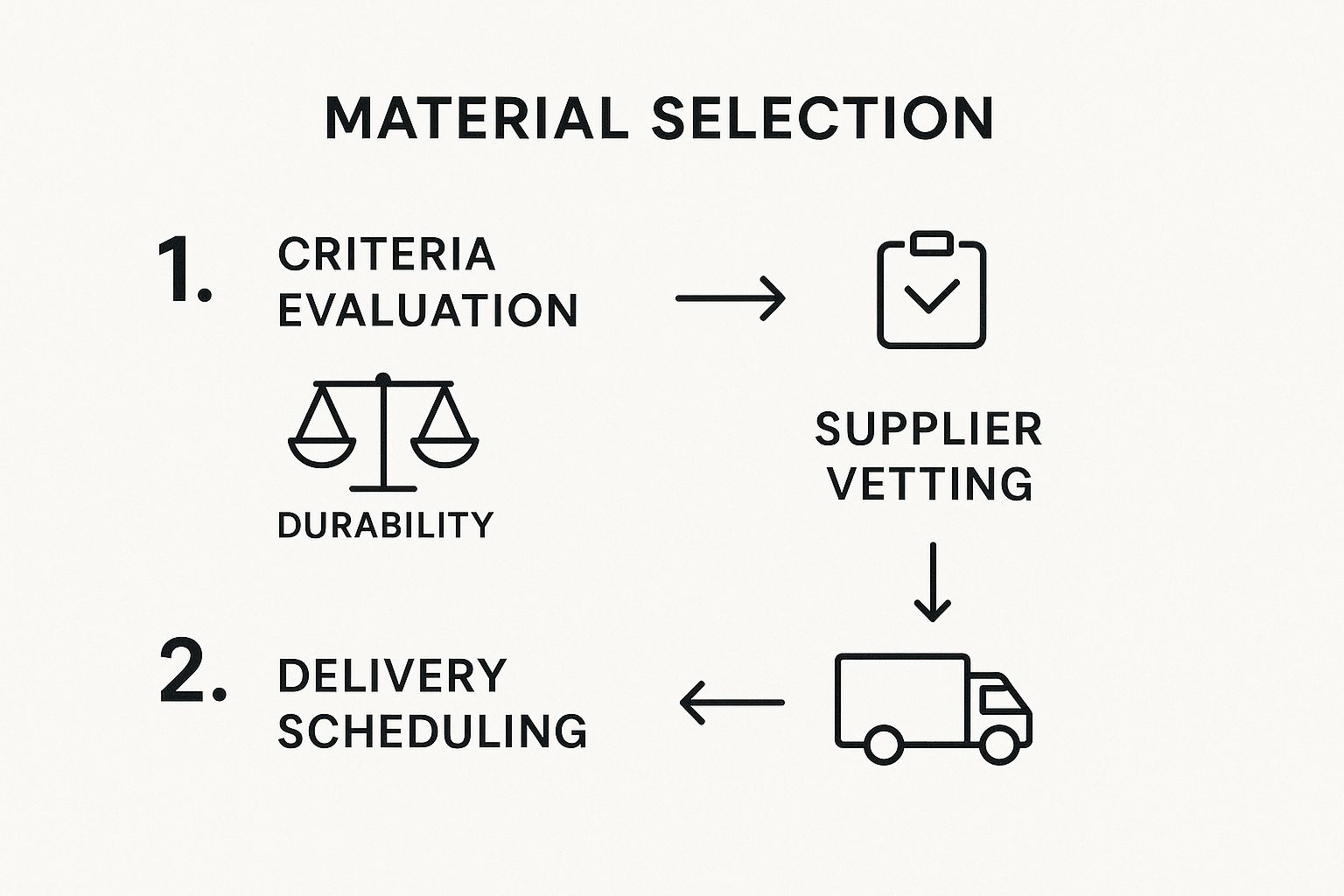
The image above illustrates the importance of having a clear method for material selections. It ensures every choice fits not just your style, but also the practical needs of the project.
Remodel Phases and Homeowner Responsibilities
| Remodel Phase | What Your Professionals Handle | Your Role and Key Decisions |
|---|---|---|
| Demolition & Framing | Safe removal of old structures; building new walls and layouts. | Confirming the layout feels right; being available for quick questions. |
| Rough-Ins (Plumbing, Electrical, HVAC) | Installing all the behind-the-scenes systems. | Finalizing fixture locations (e.g., outlet placement, sink position). |
| Drywall & Interior Finishes | Hanging and finishing drywall; painting, flooring, and trim work. | Making timely decisions on paint colors, flooring materials, and tile. |
| Cabinetry & Fixture Installation | Installing cabinets, countertops, sinks, lights, and appliances. | Approving cabinet placement and hardware; being present for key installs. |
| Final Punch List & Walk-Through | Compiling a list of final touch-ups and adjustments. | Carefully inspecting the work and creating a detailed "punch list" of items to fix. |
Understanding your role at each stage empowers you to keep the project on track and ensures your vision is executed perfectly.
Preparing for the Unexpected
No matter how carefully you plan, surprises are part of the deal in a major renovation, especially in older homes on the Monterey Peninsula. This is exactly why you have a contingency fund.
When an issue pops up, your contractor should present you with a formal change order. This document outlines the new work, its cost, and any timeline adjustments. Never agree to changes based on a verbal chat alone; a signed change order is your protection.
The Final Walkthrough and Project Completion
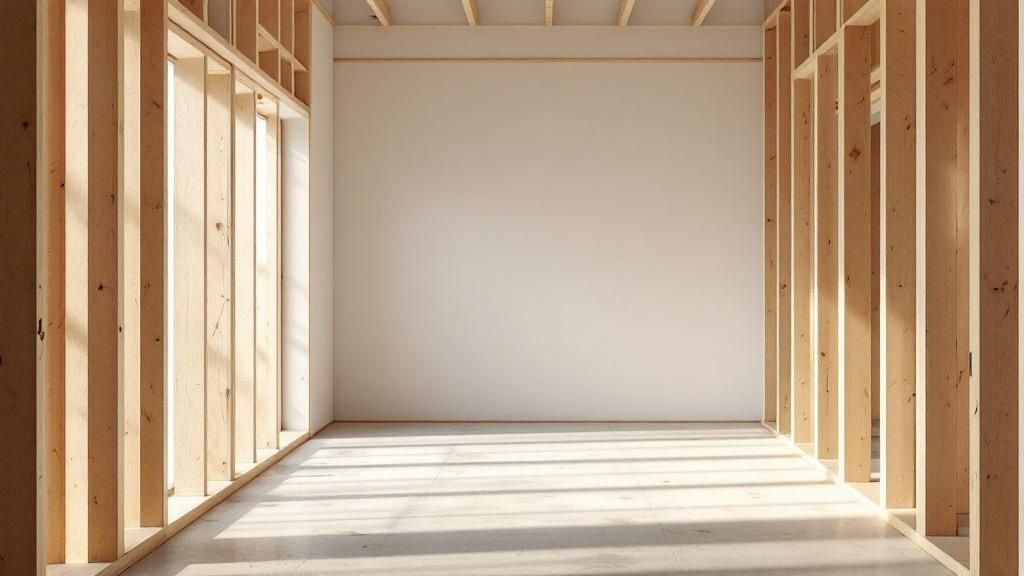
You’ve reached the home stretch. The final walkthrough is your last chance to ensure every detail of your remodel is exactly what you envisioned. This isn't a quick look-around; it’s a detailed inspection you'll do side-by-side with your contractor.
It's tempting to rush through this part, but don't. Slow down, be deliberate, and give the work the critical eye it deserves.
Creating Your Punch List
Your main objective is to create a "punch list"—a written list of every item, big or small, that needs to be fixed. This becomes your contractor's final to-do list before you hand over the last payment.
Go through each room systematically, working from top to bottom.
- Walls and Ceilings: Look for clean paint lines, no scuffs or drips, and smooth drywall.
- Flooring: Check for scratches, chips, or gaps. Are grout lines neat and consistent?
- Fixtures and Hardware: Physically test everything. Flip every switch, turn every faucet on and off, and open and close all doors and cabinets.
- Functionality: If you had new appliances installed, run them through a quick cycle.
A detailed punch list isn't about being nitpicky. It’s about ensuring the quality you paid for was delivered. The goal is to get the job 100% complete.
Finalizing Payments and Paperwork
Once every item on your punch list is addressed, it’s time to close out the project. This is when you’ll sign off, make the final payment, and gather all the important paperwork.
One critical document to get is a lien waiver from your general contractor. This is your proof that all subcontractors and suppliers have been paid, protecting you from future claims against your property. This final step officially wraps up your partnership with your full home remodel professionals. To see how we approach this crucial stage, learn more about us as full home remodel professionals in Pacific Grove.
Frequently Asked Questions About Home Remodeling
It's natural to have questions when you're investing in your home. Over the years, our full home remodel professionals have heard just about everything from clients in the Monterey Bay area. Here are answers to the five most common questions.
1. How much should I budget for a full home remodel?
The honest answer is: it depends. Your budget is shaped by your project's scope, material quality, and complexity. As a rough starting point, you might invest 5% to 15% of your home's value. More importantly, always include a 10-20% contingency fund for unexpected issues.
2. How long does a full home remodel usually take?
Patience is a virtue in remodeling. A major home renovation can take anywhere from four to twelve months, sometimes longer. The timeline is affected by permitting delays in places like Salinas or Carmel, material lead times, and unforeseen discoveries during demolition. A good contractor will provide a detailed timeline upfront.
3. What is a design-build firm?
A design-build firm handles both the architectural design and the construction under one roof. This integrated approach gives you a single point of contact from start to finish. It often streamlines communication, keeps the design aligned with the budget, and leads to a more efficient project with fewer headaches.
4. Should I move out during the remodel?
For a full home remodel impacting essential spaces like the kitchen and primary bathrooms, our advice is almost always yes. Living in a construction zone with constant dust, noise, and workers is incredibly stressful and can be a safety hazard. If moving out isn't possible, work with your contractor to create a phased plan with sealed-off work areas.
5. How do I handle changes during the project?
Change is almost guaranteed. The key is to manage it formally through a "change order" process. This is a written document outlining any new work, its exact cost, and its impact on the timeline. Both you and your contractor must sign it before the new work begins, protecting everyone from budget surprises.
Ready to stop wondering and start planning? The team at Legacy Painting & Renovating Inc. is here to answer all your questions and help you transform your vision into a beautiful reality. Contact us today for a free, no-obligation consultation.