
High-end interior design is more than just pricey furniture. It’s about customization, quality, and a clear vision that makes a home truly yours. It’s about creating a space that tells your story.
This guide explores what makes high-end design special, from choosing materials to working with professionals. We’ll give you the insights needed to turn your home in Monterey County into a beautiful and functional sanctuary.
What is High-End Interior Design?
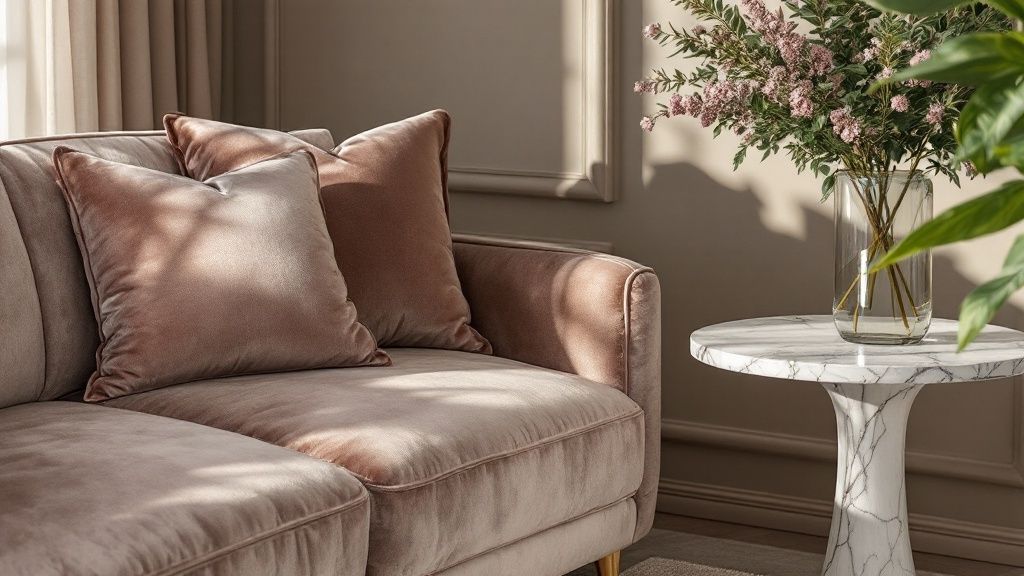
Many people think a high-end look comes from designer labels. While quality pieces are part of it, real luxury is about creating a space that fits your lifestyle. It’s a balance of beauty and function, making homes in Salinas or Carmel both stunning and comfortable.
This approach is all about intention. Every element, from a fabric’s texture to a light’s placement, is chosen for a reason. The goal is to carefully curate a space, not just decorate it.
Beyond the Price Tag
So, what really sets high-end interior design apart? It comes down to a few core ideas that guide every decision.
These principles include:
- Custom Personalization: This means creating elements just for your home. Think of a custom bookshelf built for a unique corner or art commissioned to match your colors.
- Top-Notch Quality: High-end design uses materials that last. We’re talking natural stone, solid hardwoods, and hand-woven fabrics where you can see and feel the difference.
- A Clear Vision: Each room should feel connected, telling one story. This is done with a consistent color palette, repeating materials, and a unified design style.
True luxury isn’t just what you see. It’s how a space makes you feel—the easy flow from room to room, the perfect lighting, and the small details that improve daily life.
This focus on quality is driving growth in the design world. The global luxury interior design market was valued at $53.5 billion in 2023 and is expected to reach nearly $77.8 billion by 2025. This shows the demand for homes that offer more than just looks.
Your Home, Your Statement
High-end design is an investment in your quality of life. For homeowners in Pacific Grove and Monterey, it’s about creating a personal sanctuary. The process is more than just picking finishes; it requires understanding how you live in your space.
Exploring a luxury home renovation is a great first step. It ensures every detail, from paint to layout, aligns with your dream.
How to Build Your Design Vision
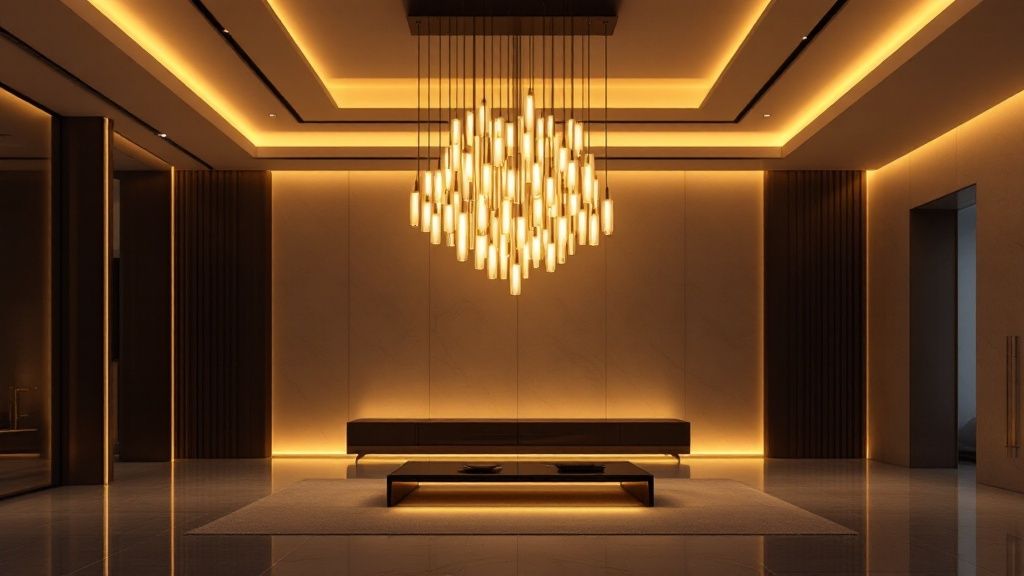
The real work begins before any paint is opened. The best projects start with a strong design vision. This isn’t just about picking furniture; it’s about defining a feeling. True high-end interior design comes from a clear idea that guides every choice.
This is where you turn daydreams into a real plan. The goal is to create a home that tells your story, whether you live in Pacific Grove or a quiet Salinas neighborhood.
Finding Unique Inspiration
Forget scrolling endlessly on social media. While design sites are great, the best ideas often come from your own life. Think about places and things that make you feel comfortable or happy.
Your vision can be sparked by anything:
- Your Travels: Remember that hotel with amazing textures? Or the colors of a landscape you loved? You can use those elements in your home.
- Nature: The rugged coast of Monterey or the hills near Salinas offer great ideas. Think about sunset colors or the texture of driftwood.
- Architecture: Notice buildings you admire. The clean lines of modern design or the details of a historic building can inspire your space.
When you look at your own experiences, you build a real foundation. It’s the difference between a home that looks like a catalog and one that reflects you. Exploring luxury bedroom design ideas can show you how a mood becomes a real space.
Making a Concept Board
Once you have ideas, it’s time to organize them. A concept board (or mood board) is a key tool. It’s a collage that pulls your ideas into one clear visual.
A good concept board is more than just pretty pictures. It acts as a guide for your project, making sure every choice fits your original vision.
Your board should include textures you can feel, paint swatches, and even words that create a mood. This visual tool helps you communicate your ideas to designers and contractors.
Turning Vision into a Plan
With a clear vision, you can start making practical plans. This is where feelings become action steps. Your vision now helps with everything from the color scheme to the materials you choose.
This planning stage is key for a smooth renovation. Thinking through details now prevents costly changes later. This hard work ensures the final result is a perfect match for your initial dream.
Choosing Your Colors and Materials
The heart of a luxury space is in its colors and materials. In high-end interior design, the palette isn’t just about picking shades; it’s about creating an emotional experience. The right color scheme can set the tone, whether you want a calm retreat in Carmel or a warm family home in Salinas.
The image above shows masterful layering. The plush rug, smooth leather, and unique coffee table all create a sensory experience. It’s a room that doesn’t just look good; it feels good.
The Power of Smart Palettes
Forget bright, jarring colors. Luxury design often uses complex, layered neutral colors. Think about the small differences between shades of greige, warm creams, and deep charcoals. These colors create a timeless backdrop that lets quality materials and architecture shine.
A pro secret is to use a tonal palette. This means choosing several shades from the same color family and layering them. This subtle change creates an elegant depth that feels calm and intentional.
For more on this first step, our guide on how to choose interior paint colors is a great place to start.
Layering Textures and Finishes
Color is only half the story. A space can have a beautiful palette but still feel flat without texture. Texture adds warmth and character. It’s what makes a room feel incredible to live in.
Think about how different finishes play off each other:
- Matte vs. Gloss: A flat, matte finish on the walls creates a soft background. Add a high-gloss finish on furniture for a pop of light and drama.
- Rough vs. Smooth: Imagine a rustic wooden beam against a cool, polished marble countertop. This contrast is visually engaging.
- Soft vs. Hard: Pairing a plush velvet sofa with a sleek metal-and-glass coffee table strikes a beautiful balance.
A truly luxurious room engages all the senses. It’s the mix of beautiful colors you see and rich textures you feel that creates a memorable experience.
Selecting Quality Materials
The materials you choose are the building blocks of your design. High-end design is about authenticity and quality over imitation. This means choosing natural, durable materials that age well.
Let’s look at a few high-end material choices and what makes them special.
| Material | Aesthetic Impact | Best Used For | Considerations |
|---|---|---|---|
| Natural Stone | Timeless elegance, unique look | Countertops, flooring, fireplaces | Porous and can stain; needs sealing |
| Hardwood | Warm, classic, gets better with age | Flooring, custom cabinets | Can scratch or dent; sensitive to moisture |
| Metals | Modern (stainless steel) or warm (brass) | Fixtures, hardware, lighting | Finishes can tarnish or show fingerprints |
| Performance Fabric | Durable, sophisticated (velvet, linen) | Upholstery, drapery | Higher initial cost, but resists stains and fade |
These materials are an investment in your home’s long-term character. A solid hardwood floor, for example, will develop a beautiful look over decades. This commitment to real quality is a key feature of high-end interior design.
Mastering Space and Layout
A well-designed room feels natural and easy. That feeling is the result of careful planning. Mastering space and layout is the foundation of any high-end look. It’s not just about what you put in a room, but also the space you leave empty.
This idea of negative space—the open areas around furniture—is what lets a design breathe. It creates a sense of openness and improves the flow of your home. This is especially true in the spacious homes across the Monterey Peninsula, where a smart layout is key.
Proportion and Scale Matter
A common mistake is choosing furniture that’s the wrong size. A huge sofa can overwhelm a small room, while tiny furniture gets lost in a large space. High-end design is about finding the perfect balance of scale.
Before buying large pieces, measure your room and map everything out. This simple step ensures each item is the right size for the room and for the other pieces around it. A high-end result starts with effective room layout planning, which guarantees everything has a purpose.
The Value of Custom Furniture
While there are many great ready-made furniture options, custom pieces are a true sign of luxury. A custom piece solves problems that off-the-shelf items can’t. It offers a perfect fit and elevates your home’s style.
With custom work, you can:
- Fix odd spaces: Have an awkward corner? A custom-built shelf can turn a problem area into a beautiful feature.
- Show your style: You pick the exact wood, fabric, and finish. The result is a one-of-a-kind piece that reflects your vision.
- Invest in quality: Custom furniture is built by skilled artisans using top materials. It’s a piece that will last for generations.
The demand for unique solutions is huge. With over 22.5 million high-net-worth people globally, the desire for personal living spaces is growing. In fact, top design firms report that over 60% of their projects now involve fully custom interiors.
Creating Zones with Smart Arrangement
In larger homes with open floor plans, the key is to arrange furniture to create different zones. Instead of pushing furniture against the walls, pull it toward the center to form cozy groups. This helps define areas for different activities.
For instance, in a large living room, you could create:
- A main conversation area: Center a sofa and chairs around a coffee table.
- A quiet reading nook: Place a comfy chair near a window with a small table and lamp.
- An entertainment space: Position a media console opposite the main seating area.
Smart furniture arrangement does more than fill a space. It directs traffic and makes a large room feel more human and welcoming.
By mastering your layout, you create the foundation for a truly luxurious home. Working with full home remodel professionals ensures every element works in perfect harmony.
Layering Light and Adding Technology
Lighting is one of a designer’s most powerful tools. It can change the mood and even the size of a room. In high-end interior design, lighting is a key part of the plan, whether for a sunny Carmel home or a cozy Pacific Grove cottage.
Great lighting design uses multiple light sources. This sculpts a space and highlights its best features. When you get it right, a room feels more spacious and inviting.
The Three Layers of Lighting
To get a high-end result, we think about lighting in three layers. Each one has a specific job.
Here’s a breakdown of the three types:
- Ambient Lighting: This is your room’s main light. It provides a comfortable base level of light and comes from recessed cans or chandeliers.
- Task Lighting: This is focused light for specific activities. It’s what you need for reading, chopping vegetables, or working at a desk.
- Accent Lighting: This is where the drama comes in. We use accent lights to highlight things like artwork or architectural details.
Good lighting design is like making music. You have the main melody (ambient), the details (task), and the emotional high points (accent). Together, they create a complete experience.
Using Natural Light and Choosing Fixtures
Before flipping a switch, think about natural light. Here on the Monterey Peninsula, maximizing sunlight is key. This might mean using sheer window treatments or adding a skylight.
When choosing light fixtures, think of them as jewelry for your home. A stunning chandelier or a pair of unique sconces can become a focal point. Investing in a quality statement piece really pays off.
Adding Smart Home Technology
Modern luxury is also about convenience. Integrating smart home technology is becoming a must in high-end design. It allows you to manage lighting, climate, and sound without cluttering your walls with switches.
Imagine dimming all the lights from your phone. You can create custom lighting “scenes” for different moments, like “dinner party” or “movie night.” This level of control lets you instantly change your home’s atmosphere.
The demand for this kind of luxury is growing. The luxury design market, valued at $60.22 billion in 2024, is projected to hit $98.85 billion by 2032, according to a recent report. A huge driver of this growth is smart home systems. You can read the full report on luxury interior design growth.
Working With Professionals
Bringing a vision for high-end interior design to life is a team effort. It takes skilled experts to translate your ideas into a flawless reality. Building the right team is the most important step you can take.
A skilled team works together to make sure every detail fits the big picture. For homeowners in Monterey County, this means finding local pros who understand our unique homes, from a Carmel estate to a Salinas residence.
Assembling Your Dream Team
Building your team is about finding partners who share your vision. Each professional has a key role.
Your team will usually include:
- An Interior Designer: Your creative lead. They help refine your vision, select materials, and guide the project’s look.
- An Architect: If you’re making structural changes, an architect is essential. They ensure your plans are safe and meet building codes.
- A General Contractor: They oversee the entire renovation. They manage timelines, budgets, and all the workers on site.
- Master Craftspeople: This includes expert painters, cabinet makers, and flooring installers. Their skills create the perfect finishes that define luxury.
The quality of your renovation reflects the quality of your team. Investing in experienced professionals means a smooth process and an exceptional result.
The Role of a High-End Renovation Partner
A professional painting and renovation company like ours is a key part of this team. We are responsible for the fine details that elevate a space.
Our role is more than just putting paint on walls. We handle the detailed surface prep and flawless finishes that are trademarks of any high-end project. When a designer wants a perfectly smooth wall, it’s our job to deliver that vision.
We work with designers and contractors to ensure the final product is exactly what was imagined. Our contractor hiring checklist is a great resource to help you choose the best partners.
Frequently Asked Questions
Starting a high-end design project is exciting, but it’s normal to have questions. Here are answers to some common concerns.
How much should I budget for a high-end project?
There’s no single answer, as cost depends on room size and material quality. A good rule of thumb is to budget 10% to 20% of your home’s value for a full renovation. For a luxury kitchen or primary bath, this figure may be higher due to custom cabinets and premium finishes.
How long does a high-end renovation take?
Good quality takes time. A single room makeover might take a few weeks. A full kitchen or bath remodel often takes 2-4 months. A whole-home renovation can take 6 months to a year or longer. It’s smart to build extra time into your schedule for unexpected delays.
Can I get a high-end look on a smaller budget?
Yes, if you are strategic. Spend your money where it has the most impact, like on quality flooring, a stunning light fixture, or beautifully finished walls. You can choose more affordable options for other elements without losing the overall sophisticated feel.
Is hiring an interior designer worth it?
Yes, for a large project. A designer brings a clear vision to the project. They also have access to special resources and an expert eye for space planning, which can save you from costly mistakes. They act as your advocate to ensure the final result is what you dreamed of.
What is the first step to get started?
Before calling a contractor, the first step is to define your vision. Gather inspiration from magazines, travel, or anywhere else. Get clear on how you want your home to feel. Once you have that direction, you’re ready to start building your professional team.
Ready to bring your vision for high end interior design to life? The expert team at Legacy Painting & Renovating Inc. is here to deliver the flawless finishes and meticulous craftsmanship your Monterey County home deserves. Contact us today for a complimentary consultation.