
A fresh coat of paint can dramatically enhance your home’s value and curb appeal, but a truly professional result requires more than just a bucket of paint and a brush. For homeowners in coastal communities like Monterey, Carmel, and Pacific Grove, understanding how local weather affects the process is absolutely critical. Following essential exterior house painting tips ensures your investment protects and beautifies your home for years to come.
A poorly executed paint job not only looks subpar but can also fail within a year, leading to cracking, peeling, and costly repairs. This guide offers essential exterior house painting tips to help you avoid common pitfalls and achieve a flawless, durable finish.
1. Master the Monterey Climate: Choose the Right Weather Window
Timing your exterior painting project is one of the most critical tips for achieving a durable finish. In a region with microclimates as diverse as Monterey County, from foggy Pacific Grove to the sunnier valleys of Salinas, mastering the weather window is a requirement.
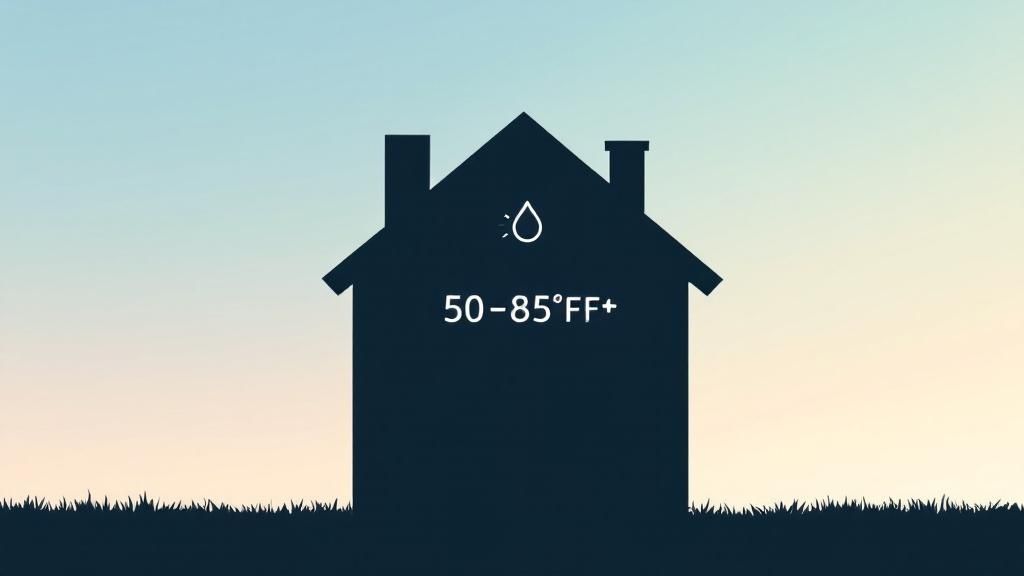
The wrong conditions can compromise the paint's ability to bond, cure, and protect your home effectively. Ideal conditions prevent common failures like blistering and cracking, ensuring your investment is well-protected.
Why Weather Matters for Paint Application
Paint applied in non-ideal weather is prone to failure. Painting when it's too cold (below 50°F) prevents the paint from curing correctly. Conversely, applying it in direct, intense sunlight can cause it to dry too quickly, leading to brush marks and poor adhesion.
Humidity is another major factor, especially in coastal areas like Carmel and Monterey. High humidity (above 50-60%) introduces excess moisture that can get trapped under the paint film, causing blistering. By choosing the right conditions, you can ensure your home is protected by a durable, weather-resistant paint job.
Actionable Tips for Monterey County Homeowners
- Check the Forecast: Always check the 7-day forecast before starting. Look for a consistent stretch of dry, mild days.
- Follow the Sun: Avoid painting in direct sunlight. Start on the shady side of the house and follow it around as the day progresses.
- Mind the Temperature: The ideal range is between 50°F and 85°F. Remember that the surface temperature of your siding can be much hotter than the air temperature.
- Plan for Dew: In places like Pacific Grove, stop painting in the late afternoon to allow the surface to dry completely before the evening dew sets in.
2. Proper Surface Preparation: The Foundation of a Flawless Finish
If timing is the first rule, then surface preparation is the second. Many professionals argue it’s the most important step, accounting for up to 80% of the project's success. This crucial phase involves cleaning, scraping, sanding, and priming every surface before paint is applied.

Think of it as building a house: you wouldn't construct walls on a weak foundation. Paint needs a clean, stable, and uniform substrate to bond with effectively. Skipping this step is a direct path to a failed paint job that will need to be redone in just a few years.
Why Surface Prep is Non-Negotiable
Proper prep work removes all barriers that prevent paint from adhering. Dirt, mildew, and loose paint create an unstable layer between the new coat and the siding. Simply painting over these issues traps them underneath, leading to blistering and cracking.
Different materials require different approaches. Historic Victorian homes in Pacific Grove often demand extensive scraping. In contrast, modern vinyl siding found in newer Salinas developments may only need a deep cleaning. A well-executed prep stage is a core part of our residential exterior painting services.
Actionable Tips for Monterey County Homeowners
- Clean Thoroughly: Start with a power wash or a stiff brush and a cleaning solution like TSP to remove dirt, mildew, and grime.
- Scrape and Sand: Use a paint scraper to remove all loose and flaking paint. Feather the edges by sanding with 80 to 120-grit sandpaper for a smooth transition.
- Prime All Bare Spots: Apply a high-quality primer to all bare wood, metal, and patched areas to create a uniform, adhesive base.
- Check for Lead: For homes built before 1978, test for lead paint before scraping or sanding. If present, hire a certified professional for safe removal.
3. Invest in Quality Tools and Materials
One of the most impactful exterior house painting tips is to prioritize high-quality tools and materials. While it seems tempting to cut costs, this approach often leads to a subpar finish. Investing in professional-grade equipment and premium paint is essential for a result that can withstand Monterey County’s climate.
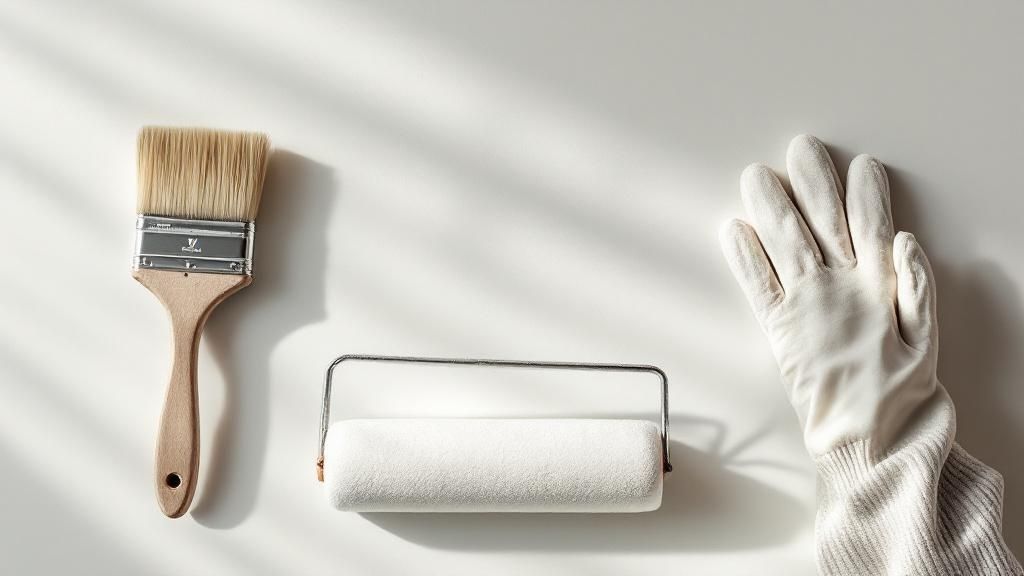
The difference between budget and quality supplies is immediately visible. Professional tools are designed for better paint pickup and cleaner lines. Premium paints, like those from Benjamin Moore or Sherwin-Williams, offer superior adhesion, color retention, and resistance to sun and moisture.
Why Quality Makes a Difference
Using cheap tools can sabotage even the most carefully prepped surface. Inexpensive brushes shed bristles, while cheap roller covers leave behind lint and an uneven texture. This not only detracts from the aesthetic but can also create weak points in the protective paint film.
For homeowners in coastal Carmel and Pacific Grove, paints with advanced mildew and fade resistance are crucial. These formulas are engineered to endure constant exposure to UV rays and moist, salty air. Understanding the importance of choosing quality paint for a long-lasting finish is key to protecting your home’s value.
Actionable Tips for Monterey County Homeowners
- Select Top-Tier Brushes: Choose trusted brands like Purdy or Wooster. Look for brushes with flagged bristle tips for a smoother finish.
- Use an Angled Brush for Detail: An angled sash brush is indispensable for cutting in clean lines around trim, windows, and corners.
- Invest in Premium Paint: Opt for a high-quality acrylic latex exterior paint, such as Benjamin Moore Aura or Sherwin-Williams Emerald.
- Choose the Right Roller Cover: Use a roller with the appropriate nap thickness for your siding. A 1/2" to 3/4" nap is ideal for stucco or wood siding.
4. Use Proper Priming Techniques
Skipping primer is one of the most common and costly mistakes in exterior painting. A high-quality primer serves as the critical foundation for your topcoat. It's an indispensable step that solves a variety of surface issues, from blocking stains to ensuring true color.
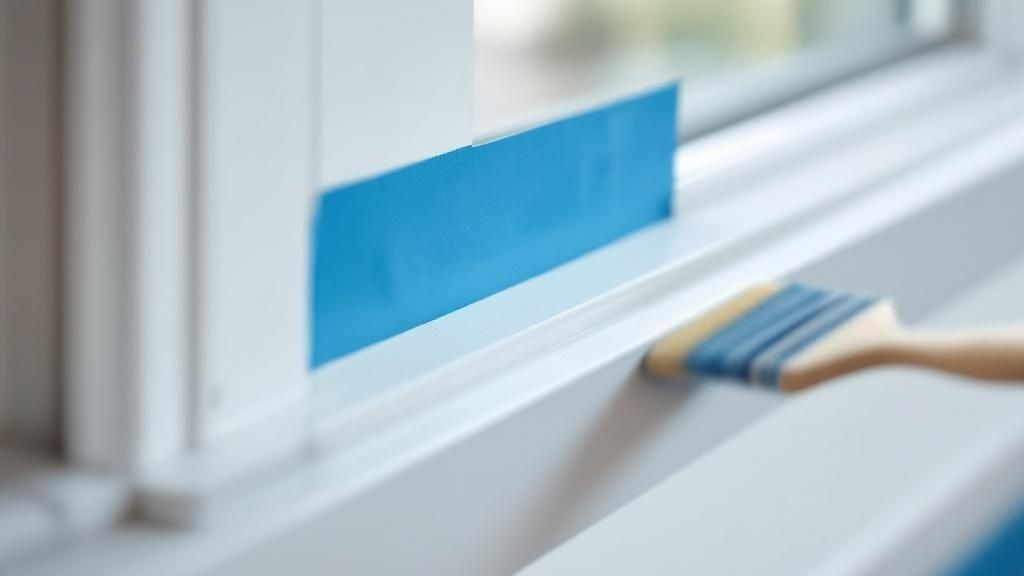
Primer is not just "thinned-down paint." It is a specialized coating designed to bond securely to the substrate and provide the ideal surface for the finish paint. Proper priming is one of the most important exterior house painting tips for a successful project.
Why Primer is Essential for a Lasting Finish
Different exterior surfaces present unique challenges. Bare wood is porous, while metal railings are prone to rust. A previously painted glossy surface won't provide enough "grip" for a new coat to stick properly.
Using the correct primer for each material is crucial. For instance, tannin-rich woods like cedar require a stain-blocking primer. For metal gutters, a rust-inhibiting primer is non-negotiable, especially in the salty air of coastal Monterey and Carmel.
Actionable Tips for Monterey County Homeowners
- Always Prime Bare Surfaces: Any bare wood, metal, or new siding must be primed before painting.
- Tint Your Primer: If you are making a dramatic color change, ask your paint store to tint the primer a similar shade to your topcoat.
- Choose the Right Type: Use a stain-blocking primer on wood, a rust-inhibiting one on metal, and a bonding primer for slick surfaces.
- Apply Thin, Even Coats: Don't apply primer too heavily. A thin, consistent coat is all you need to seal the surface.
- Respect Cure Times: Allow the primer to dry completely according to the manufacturer's instructions before applying finish paint.
5. Master the Brush and Roll Technique
For a truly professional finish, master the brush and roll technique. This classic method combines the precision of a paintbrush with the speed and even coverage of a roller. It’s the go-to approach for professional painters across Monterey County because it guarantees consistent results on everything from Salinas stucco to Carmel wood siding.
Simply rolling without brushing, or vice versa, can lead to an inconsistent finish. Brushing is essential for "cutting in" around trim and windows. The roller then fills in the main surfaces, creating a uniform texture.
Why This Combination Works
The brush and roll method ensures the paint is worked into the substrate effectively. Brushing forces paint into the pores, while the roller distributes it evenly. This two-step process is crucial for achieving a long-lasting protective barrier against the coastal fog and sun.
When done correctly, this technique eliminates common problems like "picture framing." For homeowners in Salinas looking for more ways to achieve a flawless look, there are several professional painting hacks that can elevate your project.
Actionable Tips for a Flawless Finish
- Work in Manageable Sections: Tackle one small area at a time (e.g., a 4×4 foot section) to maintain a wet edge.
- Cut In First, Then Roll: Brush the paint along edges first. Immediately follow with the roller to blend the paint while it's still wet.
- Use a "W" Pattern: Apply paint to the wall in a large W shape, then fill in the pattern with even, parallel strokes.
- Maintain Consistent Pressure: Apply light, even pressure on the roller to avoid heavy lines or thin spots.
6. Apply Multiple Thin Coats
The temptation to apply one thick coat of paint to save time is strong. However, applying multiple thin coats is a critical exterior house painting tip that separates an amateur job from a truly durable and beautiful result.
A thick coat of paint is prone to numerous problems. It can sag, drip, and run before it dries. More importantly, a heavy layer struggles to cure properly, making it vulnerable to damage, peeling, and blistering over time.
Why Multiple Coats Create a Stronger Finish
Applying several thin coats ensures each layer has the opportunity to cure completely. This layered approach builds a stronger, more resilient paint film that offers superior protection against Monterey County’s sun, wind, and coastal moisture.
This practice is standard for a reason. Most premium paint manufacturers specify that two full coats are necessary to achieve the advertised durability and color accuracy. In demanding situations, such as historic restorations in Pacific Grove, three or more coats may be required.
Actionable Tips for Monterey County Homeowners
- Don't Overload: Load your brush or roller with a moderate amount of paint for a smooth, even application.
- Check the Recoat Window: Always read the paint can. In ideal Monterey weather, this is often 4-6 hours.
- Maintain a Wet Edge: Overlap your strokes slightly to avoid lap marks and ensure a seamless appearance.
- Keep Direction Consistent: Apply each coat in the same direction for a uniform look.
- Consider Light Sanding: For the smoothest finish, lightly sand with fine-grit sandpaper (220-grit) between coats, wiping away dust before reapplying.
7. Pay Attention to Trim and Detail Work
The difference between a standard paint job and a high-end finish often lies in the details. Paying meticulous attention to the trim, eaves, and window sashes is one of the most impactful exterior house painting tips. This precision work is what frames your home and elevates its curb appeal.
In Monterey County, where architectural styles range from intricate Victorians in Pacific Grove to stately Colonials in Carmel, detail work is paramount. Rushing these elements results in sloppy lines and an amateur appearance that detracts from your home's value.
Why Trim and Details Define the Job
Clean, crisp lines along fascia and window frames create a visual "pop" that makes the main siding color look richer. This is where craftsmanship is most visible. For homes with unique features, the detail work isn’t just an afterthought; it’s a centerpiece of the home’s aesthetic.
Careful application in these areas also ensures better protection. Corners, edges, and joints are vulnerable points for moisture intrusion. A well-executed detail painting job seals these areas effectively, preventing water damage and premature paint failure.
Actionable Tips for Monterey County Homeowners
- Invest in Quality Brushes: Use a high-quality, 2-to-2.5-inch angled sash brush for cutting in sharp lines.
- Use the Right Tape: Select a high-quality painter's tape designed for exterior use that can handle temperature fluctuations.
- Remove Tape Strategically: For the sharpest lines, pull the tape off while the paint is still slightly wet at a 45-degree angle.
- Work in Good Light: Avoid painting detailed areas in shadow or near dusk. Good lighting is essential for seeing mistakes.
- Take Frequent Breaks: Detail work requires focus. Step away every hour or so to rest your eyes and hands.
Frequently Asked Questions (FAQs)
1. How often should I paint my house exterior in Monterey County?
Due to the coastal climate with sun, fog, and salty air, it's recommended to repaint every 5 to 7 years. Well-maintained homes with quality paint may last up to 10 years, while homes in direct coastal exposure might need attention sooner.
2. What type of paint is best for the Monterey and Salinas area?
A high-quality 100% acrylic latex exterior paint is the best choice. Look for formulations with excellent UV protection and mildew resistance to combat the local weather conditions, such as those offered by Benjamin Moore or Sherwin-Williams.
3. Does a new paint job really increase home value?
Yes. According to a 2021 Zillow report, a professional exterior paint job can increase a home's value. Homes with a thoughtfully chosen color can sell for more than similar homes with dated or peeling paint.
4. Is it better to spray or brush and roll an exterior?
Both methods have their place. Spraying is faster for large, uniform surfaces, but brushing and rolling ensures better paint adhesion and penetration, especially on textured or older surfaces. Many professionals use a combination: spraying the paint on and immediately "back-rolling" it for a superior bond.
5. How much does it cost to hire professional commercial painters in Carmel?
The cost for commercial painting projects in Carmel varies widely based on the building's size, condition, height, and the level of prep work required. It's best to get detailed estimates from reputable local companies that can assess the project's specific needs.
Bringing It All Together for a Lasting Legacy
A successful exterior paint job is more than just a fresh coat of color; it's a protective shield for your Monterey County home. Following the exterior house painting tips we've outlined is your roadmap to a finish that endures the coastal climate, from the Salinas Valley sun to the Pacific Grove fog.
- Patience in Preparation is Paramount: Rushing through cleaning, scraping, and sanding will undermine even the most expensive paint. A clean, smooth, and dry surface is essential.
- Quality is a Non-Negotiable Investment: High-quality brushes, rollers, and premium-grade paint deliver a more durable finish that saves you money and effort long-term.
- Technique Defines the Outcome: From proper priming to applying multiple thin coats, your application method matters.
Ready to bring your vision to life without the hassle? If you prefer to leave the project to seasoned professionals who understand Monterey County's unique demands, contact Legacy Painting and Renovating Inc. for a free, no-obligation estimate.