
Spotting a new crack on your wall can be alarming. But what is the real cause? The good news is that most cracks are harmless.
They often come from natural house settling, changes in humidity, or small installation flaws. However, some cracks can signal deeper issues that need a closer look.
Understanding Why Drywall Cracks Appear
Finding a crack in your drywall is common for homeowners in Salinas and across Monterey County. It’s easy to assume the worst, but these lines usually just mean your home is responding to its environment.
Think of your house’s wood frame as a living thing. It expands slightly with humidity and shrinks when it's dry. This constant, tiny movement stresses the rigid drywall panels. Over time, this can create thin cracks, especially around windows and doors.
The trick is to understand what your house is telling you. A few common issues cause most drywall cracks. This graphic breaks it down well.
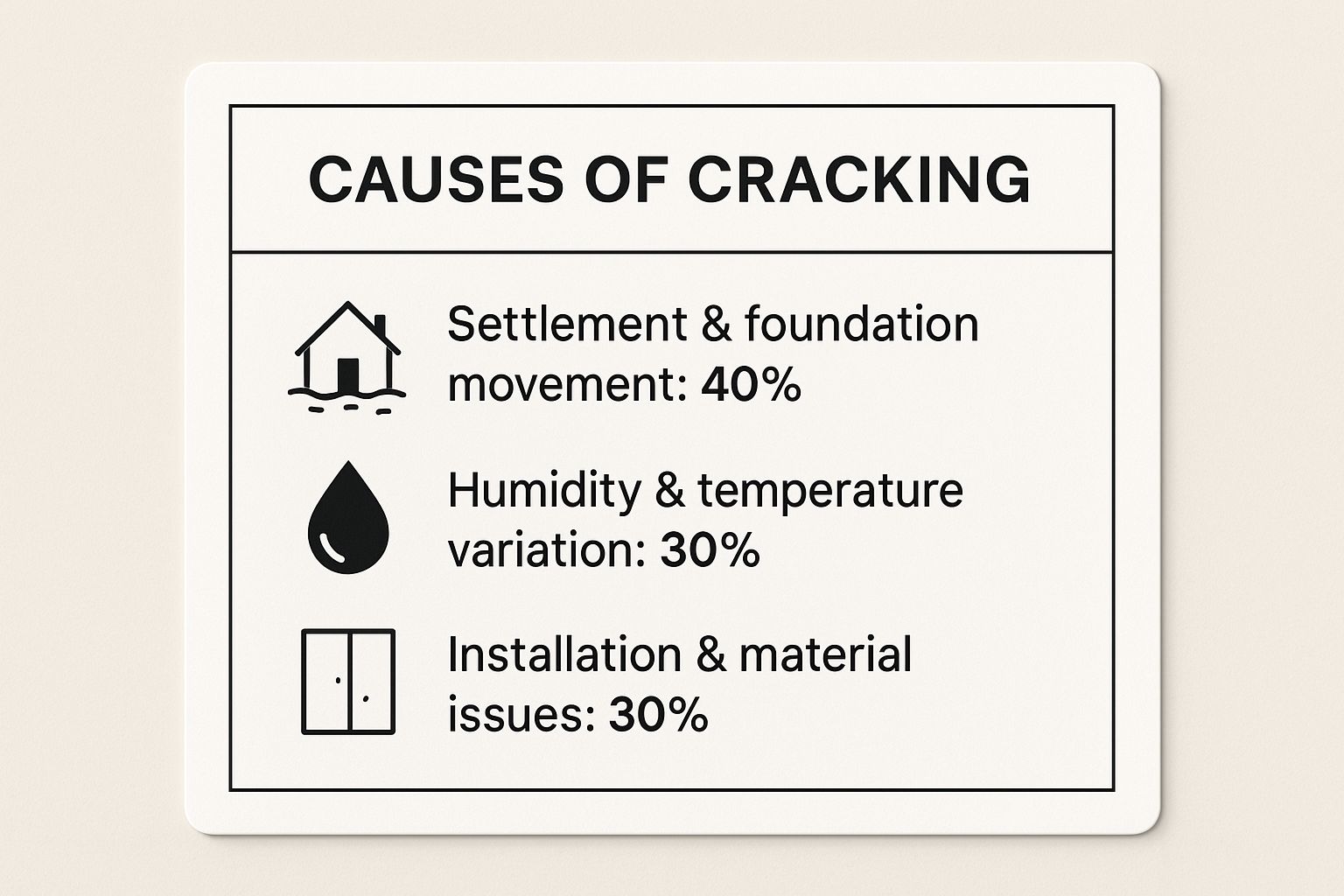
As you can see, simple settling and weather changes are the main causes. This shows that most cracks are not a major emergency.
The Main Causes at a Glance
So, what are the biggest reasons for these cracks? They usually fall into a few categories:
- Normal House Settling: Every new home needs time to settle on its foundation. This causes small shifts that can lead to cracks.
- Temperature and Humidity Swings: The wood frame behind your walls reacts to the seasons. As it expands and contracts, it puts pressure on drywall seams.
- Poor Installation: Sometimes the problem starts from day one. Not using enough drywall mud or taping incorrectly can create weak spots that show up later.
- Structural Movement: This is less common but important to watch for. Certain cracks can be a red flag for serious foundation problems.
To make it even simpler, here's a quick guide to help you identify what you might be seeing.
Quick Guide to Common Drywall Crack Causes
| Cause of Crack | Typical Appearance | Severity Level |
|---|---|---|
| House Settling | Thin, straight, hairline cracks, often over doors/windows. | Low |
| Humidity/Temp Changes | Hairline cracks along drywall seams or in corners. | Low |
| Poor Installation | Cracks with loose tape, straight lines along joints. | Low to Moderate |
| Structural Issues | Jagged, diagonal cracks over 1/4" wide, stair-step cracks. | High |
This table gives you a good starting point for figuring out what's happening with your walls.
Understanding these factors is the first step toward the right fix. It's also key to keeping your home looking its best, as these issues can affect your interior and exterior walls. For more on protecting your home’s curb appeal, learn about our approach to residential exterior painting.
Normal House Settling: The Most Common Culprit
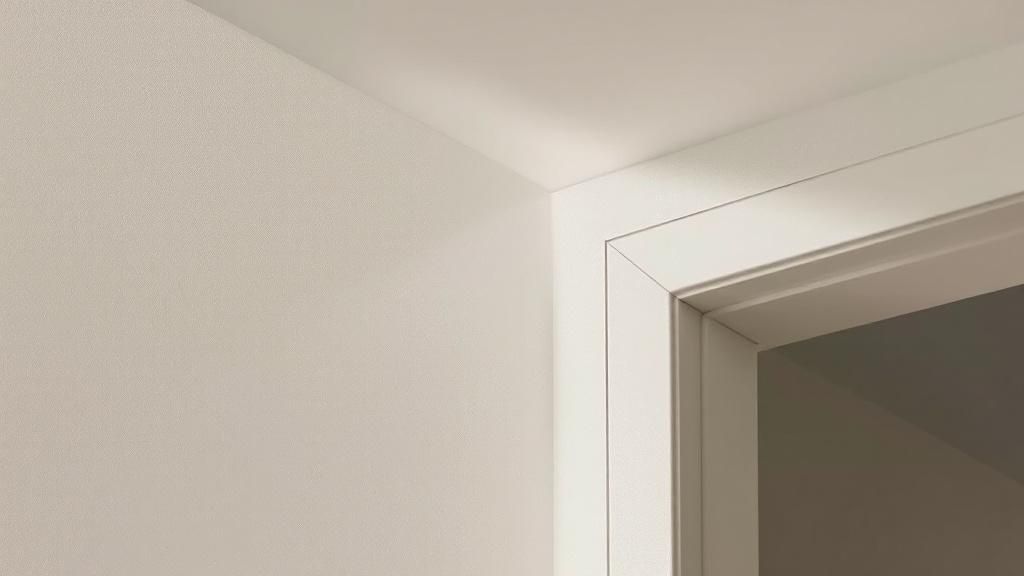
Think of a new home like new shoes—it needs time to break in. Every house goes through a natural settling period in its first few years. This slow movement is the number one reason why drywall cracks appear.
This settling is completely normal, especially for homes here in the Pacific Grove area. The ground compresses a bit, the wood frame shifts, and the rigid drywall can't always flex with these movements. The result is thin, hairline cracks.
Where Do Settling Cracks Usually Show Up?
You'll almost always find these harmless cracks in specific spots where stress builds up. Keep an eye on these areas.
Common locations include:
- Above Door Frames: Stress naturally gathers at the corners of doors, making them a prime spot for cracks.
- Around Windows: Like doorways, window frame corners are weak points where small, diagonal cracks can form.
- Where Walls Meet the Ceiling: The long joint between the wall and ceiling is another common spot for a thin line to appear as the house settles.
These cracks are almost always a cosmetic issue, not a structural emergency. They are typically very thin—less than 1/8 inch wide—and tend to follow a straight line.
The key takeaway here is that settling cracks are just part of a home's natural life cycle. They're evidence that your house is adjusting to its environment, not that it's falling apart.
For most homeowners, the fix is simple. Once the house has settled, these cracks are an easy repair. A bit of joint compound, light sanding, and a fresh coat of paint are usually all it takes. A professional team specializing in interior painting in Monterey can make the repair seamless.
How Humidity and Temperature Changes Affect Your Walls
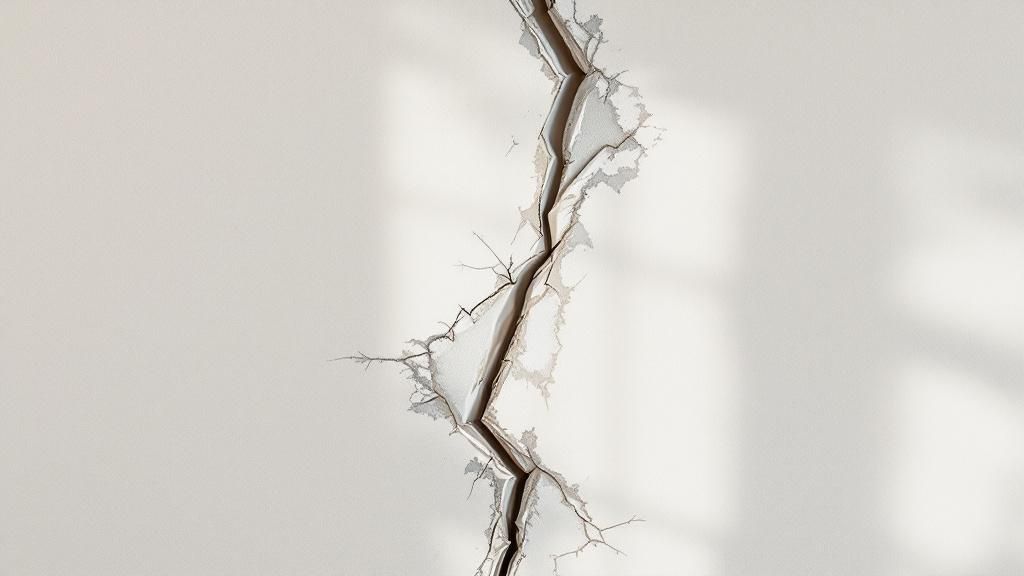
Beyond house settling, your home constantly interacts with the environment. The wood frame behind your drywall acts like a sponge. It swells when the air is humid and shrinks when it's dry.
This natural expansion and contraction puts a quiet strain on the inflexible drywall. For those of us in coastal communities like Carmel and Monterey, this is a year-round reality. As seasons change, you might see new hairline cracks appear. This is a classic sign of the wood frame moving while the drywall stays put.
The Science of Seasonal Cracks
This cycle of swelling and shrinking is a major cause of drywall cracks. In climates with big humidity swings, this constant movement stresses building materials.
To learn more about this, it's worth reading about how temperature and humidity can cause cracking and warping in materials from experts.
Minimizing Humidity-Related Cracks
You can’t change the weather, but you can control your home's indoor climate. Keeping indoor humidity levels stable means less wood movement and fewer cracks.
Pro Tip: Try to keep your home’s indoor humidity between 30% and 50%. A dehumidifier can help during damp months, while a humidifier is useful when the air is dry. Stabilizing your home’s climate is one of the best preventative measures you can take.
These small steps can make a big difference. When you're ready to fix existing cracks and refresh your walls, the right paint can add durability. For help with that, check out our guide on how to choose interior paint colors.
When Cracks Signal a Deeper Structural Problem
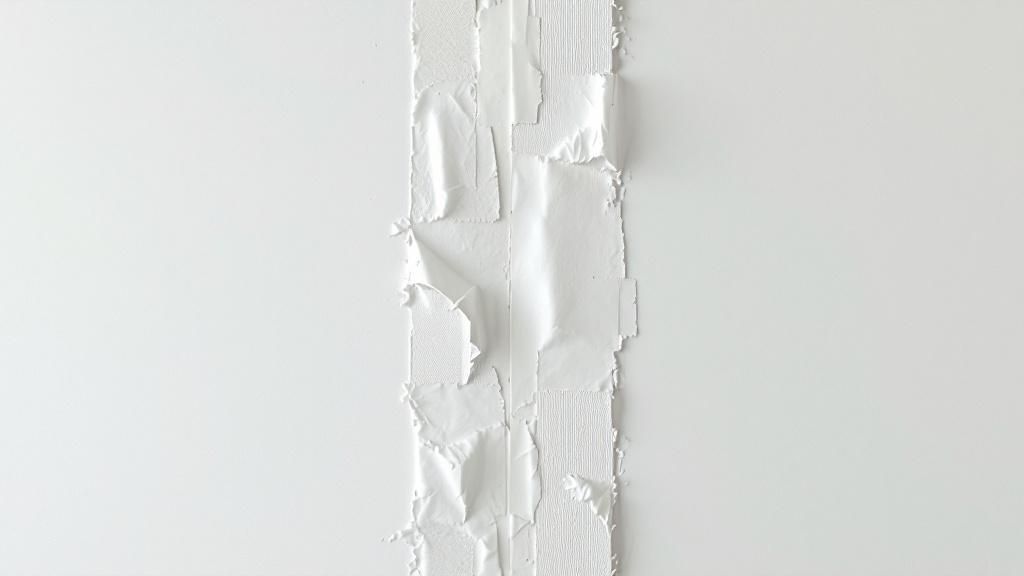
While most hairline cracks are minor, some are red flags. They can be warning signs of serious issues with your home’s foundation. Learning to spot the difference is key to protecting your investment.
Your home's foundation is its skeleton. If it shifts or settles unevenly, it puts immense stress on the entire structure. Drywall is often the first place this strain becomes visible.
Warning Signs to Watch For
How can you tell a cosmetic issue from a real problem? The crack's appearance tells the story. Certain traits mean you need to investigate further.
Look for these signs of a potential structural issue:
- Wide, Jagged Cracks: A thin, straight line is one thing, but a crack wider than 1/8 of an inch is a concern. These larger cracks suggest significant movement.
- Diagonal or Stair-Step Cracks: Cracks that run diagonally from door and window corners are classic signs of foundation shifting. The same goes for stair-step patterns in brickwork.
- Cracks Paired with Other Issues: If a new crack comes with other problems—like sticking doors, hard-to-open windows, or sloped floors—the problem is likely more than skin deep.
These cracks often appear when a foundation settles unevenly, a problem known as differential settlement.
If you spot any of these red flags, it’s not time to panic, but it is time to act. Ignoring them can lead to much bigger—and more expensive—repairs down the road.
If serious cracks do point to significant damage, understanding the home insurance claim process will be a critical next step.
Mistakes from Poor Drywall Installation
Sometimes, the reason for a crack has nothing to do with your foundation or the weather. The problem can go back to the day the walls were installed. A rushed or poor drywall installation is a common cause of cracks that show up years later.
A professional installation is a precise craft. When installers cut corners, they build weak points into your walls that are likely to fail over time.
Common Installation Errors That Lead to Cracks
For homeowners in the Salinas area, knowing the signs of poor workmanship can help. You can figure out what’s wrong with your walls or what to watch for when hiring a contractor.
Here are a few frequent mistakes we see:
- Not Enough Mud: The joint compound, or "mud," holds everything together. If not enough is used, the tape won't stick well, and cracks will form over the seams.
- Improper Taping: Drywall tape reinforces the joints between sheets. If it’s not embedded correctly, it can bubble or lift, creating a visible line that cracks.
- Screws Driven Too Deep: There's a right way to set drywall screws. If they're driven too deep, they tear the drywall paper and lose their holding power.
These workmanship issues are surprisingly common. According to home construction experts, as many as 30-40% of drywall cracks in new homes are due to preventable installation flaws.
Hiring an experienced professional is the single best way to prevent these issues. Proper drywall preparation for painting isn't just about a smooth finish; it's about building a stable surface that will last.
A quality job from day one saves you headaches later. Professional installers in Monterey or Carmel know how to create strong, seamless joints. This ensures your walls stay smooth for years to come.
Your Guide to Repairing Drywall Cracks
Once you know what’s causing the cracks, you can plan how to fix them. A proper repair gets your walls looking great and ready for paint. The right approach depends on the crack's size and type.
For minor hairline cracks from house settling, a DIY repair is often a good solution. These small flaws are cosmetic. You can fix them with a few basic tools and some patience.
Handling Minor DIY Repairs
Fixing a small crack is a simple process. The secret is using the right materials to ensure the repair lasts.
Here’s a simple breakdown of the steps:
- Widen the Crack: It may sound odd, but use a utility knife to score a small V-notch along the crack. This helps the joint compound grip.
- Apply Compound: Fill the notch with a high-quality spackling or joint compound. Press it in firmly with a putty knife.
- Tape the Seam: If the crack is along a drywall seam, apply paper or mesh tape over the fresh compound. This adds strength and helps prevent future cracking.
- Sand and Smooth: Once dry, lightly sand the area until it’s flush with the wall. You may need a second, thinner coat of compound to get it perfect.
When to Call the Professionals
While DIY is great for small jobs, some cracks need a professional's eye. If a crack is wider than 1/8 of an inch, keeps coming back, or appears with other issues like sticking doors, it’s time to call for help.
For homeowners here in Monterey County, bringing in an expert ensures the job is done right the first time. A professional can diagnose the root cause, perform a durable repair, and prep the surface for a flawless paint job.
If the cracks are part of a larger project, get insights from our guide on how to plan a home renovation. When you're ready to find expert help, use a reliable contractor hiring checklist to select a qualified professional for your Salinas or Carmel home.
Frequently Asked Questions About Drywall Cracks
We’ve covered the common causes of drywall cracks. But every home is different. Here are quick answers to questions we often hear from homeowners in the Monterey area.
1. Are vertical drywall cracks a big deal?
Usually, no. Vertical cracks are the most common and least worrisome type. They almost always appear along the seam where two drywall sheets meet. This is typically due to house settling or humidity changes and is rarely a sign of a structural problem.
2. Why do my drywall cracks keep coming back?
This is a classic sign that the root cause was never fixed. If you just spackle and paint, the crack will reappear if the underlying issue—like ongoing settling or a weak initial repair—is still present. You must address the cause to fix it for good.
3. How do I know if a crack is from water damage?
Water damage leaves clear clues. A crack from water will usually have yellow or brown stains around it. You might also see bubbling or peeling paint, or the drywall may feel damp. If you spot these signs, you must find and fix the leak before repairing the wall.
4. When should I call a professional?
Call a pro if you see red flags pointing to structural issues. These include cracks wider than 1/8 of an inch, long diagonal cracks, or cracks that appear with other problems like sticking doors. For any significant repair, a professional painter can ensure a seamless, lasting fix.
5. Can I just paint over a drywall crack?
No, painting over a crack is only a temporary fix. The crack will almost certainly reappear through the new paint, sometimes within weeks. A proper repair involves taping, applying joint compound, sanding, and priming before you paint. That’s how you get a durable, invisible fix.
Ready to get those cracks fixed for good and give your walls a flawless, lasting finish? The experts at Legacy Painting and Renovating Inc. have the skill and experience to diagnose the problem and provide a repair that stands the test of time.
Contact us today for a free, no-obligation estimate for your home in Salinas or anywhere in the greater Monterey County area.