
When it comes to mold, a little prevention is worth a lot of cure. The most important rule is to control moisture. Mold spores are everywhere in our world. They only become a problem when they find a wet spot to land and grow.
Keeping your home dry is the best way to stop mold before it starts.
Understanding Where Mold Comes From
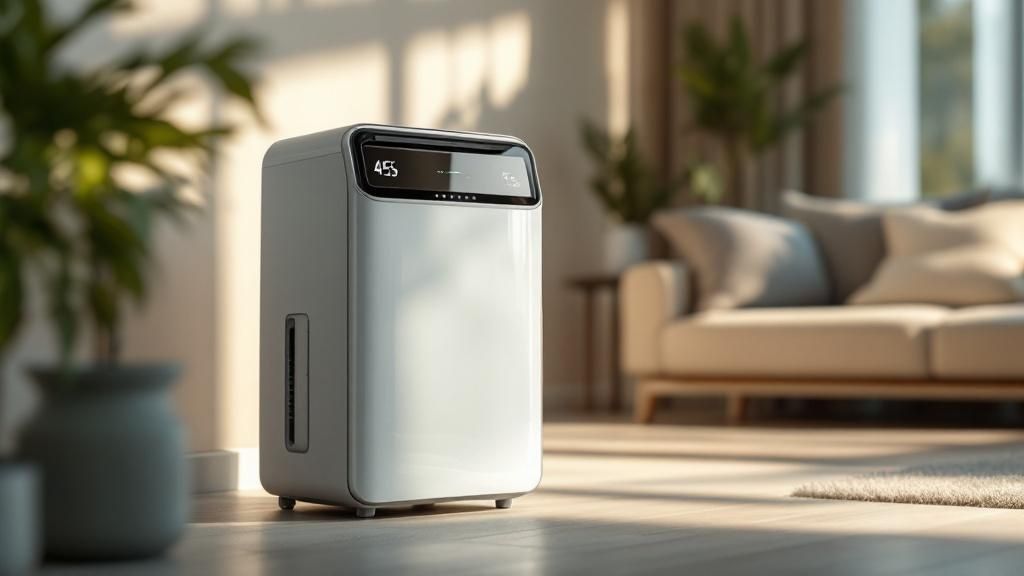
Have you ever seen a patch of mold and wondered how it got there? The truth is, tiny mold spores were likely there all along. They were just waiting for the right conditions to grow.
The one thing they need more than anything is moisture. This link between dampness and mold is key. If there is no water, there is no mold growth. It’s that simple. This is why you often find mold in steamy bathrooms, damp basements, or near a hidden pipe leak.
Common Moisture Sources in Your Home
For those of us living in coastal areas like Monterey and Carmel, even the air can bring extra dampness indoors. The first step is to know where to look for trouble.
Here are the usual places for moisture buildup:
- High-Humidity Areas: Think bathrooms after a hot shower, kitchens when boiling pasta, and laundry rooms. These are hotspots.
- Hidden Leaks: A slow drip under the sink or a small leak in the roof can create a perfect hidden spot for mold.
- Condensation: Have you seen water drops on your windows on a cool morning? That's condensation. It can also happen on cold pipes and walls, giving mold plenty of moisture.
- Poor Drainage: If your gutters are clogged or the ground slopes toward your house, rainwater can seep into your foundation.
The single most important rule of mold prevention is moisture management. Keep things dry, and you'll keep mold away.
It all comes down to keeping your indoor humidity in check. Experts agree that keeping humidity below 60%—and ideally between 30-50%—is the best way to prevent mold. The U.S. Environmental Protection Agency (EPA) reports that many buildings have unhealthy mold levels, often from water damage.
For more details on managing dampness, this guide on how to avoid mold in your home and damp buildings is a great resource. If you're thinking about a remodel, now is the perfect time to build in prevention. Knowing this is important when you plan a home renovation.
Mastering Moisture Control In Your Home
Think of moisture as the fuel that mold needs to grow. Without it, mold spores are just harmless dust floating around. That’s why controlling moisture in your home is the best way to stop mold.
This isn't a one-time job. It’s a mix of quick fixes and good habits. For instance, you might need to fix that slow drip under the sink or check your roof for loose shingles after a big storm. These small actions prevent water from causing big problems later.
The first step is to control humidity in your house. It makes a big difference for a healthier living space.
Key Moisture Hotspots and Prevention Tactics
Staying on top of these areas is a game-changer. A little routine check can prevent a small issue from becoming a major mold problem.
| Area | Common Moisture Source | Prevention Action |
|---|---|---|
| Bathrooms | Shower steam, leaky faucets | Run the exhaust fan for 20-30 mins after showering; fix drips quickly. |
| Kitchens | Cooking steam, dishwasher leaks | Use the range hood fan when cooking; check under the sink regularly. |
| Basements/Crawl Spaces | Foundation seepage, high humidity | Use a dehumidifier; ensure proper outdoor drainage away from the foundation. |
| Laundry Rooms | Dryer vents, washing machine hoses | Ensure the dryer vent is clear and properly connected; check hoses for cracks. |
| Windows | Condensation buildup | Wipe away moisture in the mornings; improve air circulation. |
| Attics | Roof leaks, poor ventilation | Inspect for leaks after storms; ensure vents are not blocked. |
Fix Leaks Immediately
That tiny drip… drip… drip under the sink might seem easy to ignore. But it’s a constant invitation for mold. Water leaks of any size create the damp, dark environment that mold loves.
Get into the habit of checking these common trouble spots:
- Underneath every kitchen and bathroom sink.
- Around the base of toilets and behind shower fixtures.
- Near your washing machine and dishwasher connections.
- On ceilings, especially after heavy rain.
Finding and fixing leaks as soon as you spot them is one of the most important things you can do. Our downloadable home maintenance checklist template can help you remember what to check.
Manage Indoor Humidity Levels
Humidity is the invisible moisture in the air. It’s a huge factor in mold growth, especially in coastal areas like Pacific Grove. When the air inside gets too damp, condensation forms on cool surfaces like windows and walls.
*Your goal should be to keep your home's humidity level between 30% and 50%. This range is comfortable for you but bad for mold.*
You can buy a cheap device called a hygrometer at a hardware store to check your home's humidity. If you see it consistently go above 60%, it's time to act.
Practical Tips For Lowering Humidity
Bringing down the moisture in the air doesn't have to be hard. Small, consistent habits make the biggest difference. Wiping away condensation on your windows during cool Salinas mornings is critical so moisture doesn't seep into the wood.
Here are a few easy strategies:
- Use Dehumidifiers: These are great for damp areas like basements and laundry rooms.
- Run Your Exhaust Fans: Always turn on the vent fan in your bathroom during and for 20 minutes after a shower. Do the same in the kitchen when you're cooking.
- Ensure Proper Drainage Outside: Keep your gutters clean. Make sure your downspouts direct water at least five feet away from your home's foundation.
Improving Airflow and Home Ventilation
Stale, damp air is like a welcome mat for mold. When humid air has nowhere to go, it settles on your walls and furniture. This is why good ventilation is one of your best tools for preventing mold.
Improving airflow doesn't mean you need an expensive project. It’s about using the systems you already have in a better way. The goal is to replace stale, moist indoor air with fresh, dry outdoor air.
Use Your Exhaust Fans Diligently
Your kitchen and bathroom exhaust fans are your first line of defense. They pull steam and moisture out of the room before it can cause problems.
Make it a habit to run them during and after any steamy activity.
- In the Bathroom: Turn the fan on before you start a hot shower. Let it run for at least 20-30 minutes after you’re done to clear out all the steam.
- In the Kitchen: When you’re boiling pasta or simmering soup, turn on the range hood fan. It pulls steam and moisture out of the air.
A common mistake is turning the fan off right away. Giving it that extra 20 minutes makes a huge difference.
Embrace Natural Cross-Ventilation
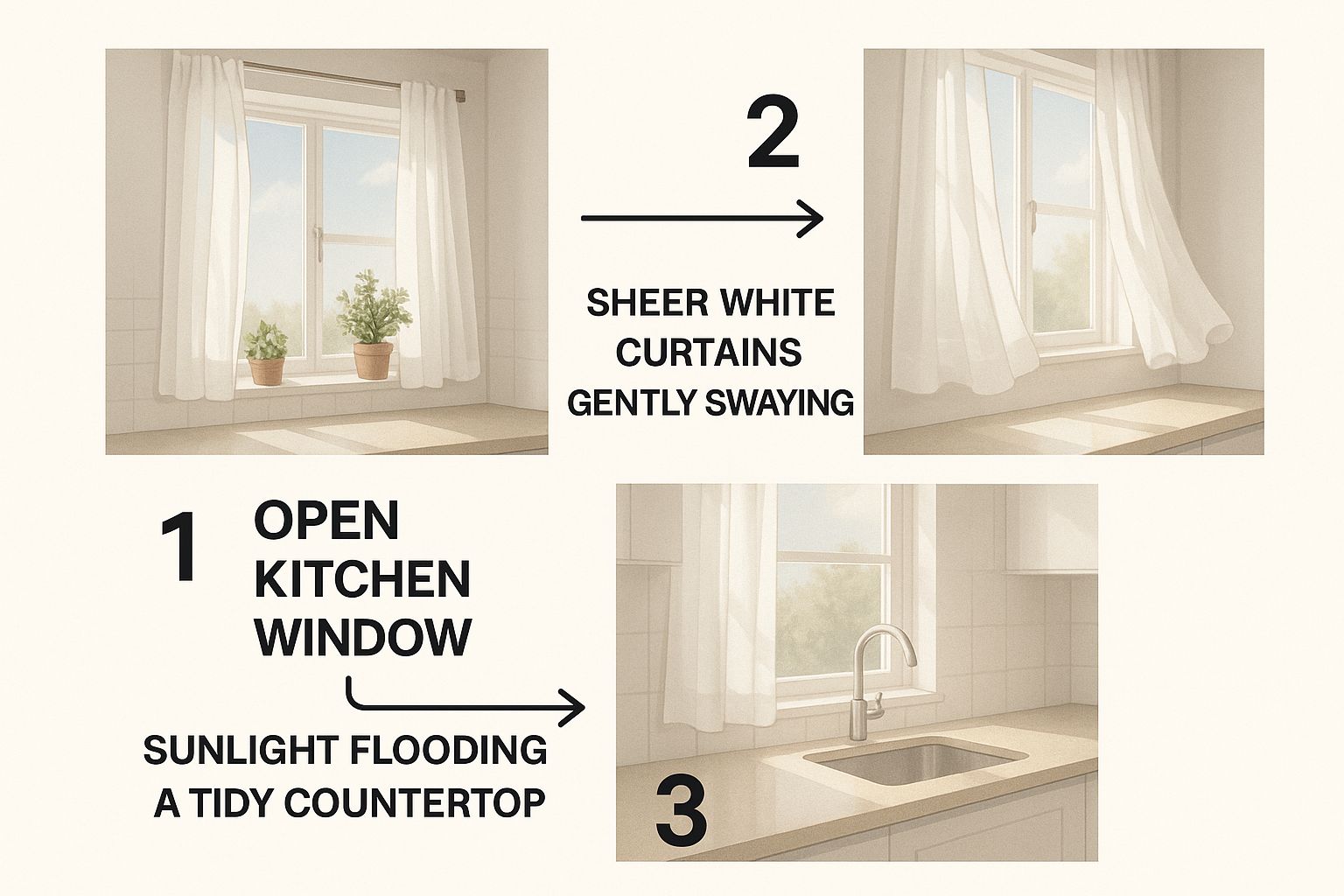
One of the easiest, free solutions is just opening your windows. For anyone living in areas like Pacific Grove or Monterey, a clear, breezy day can do wonders for airing out the house.
To create cross-ventilation, open windows on opposite sides of your home. This creates a path for fresh air to flow through, pushing old, damp air out. Even cracking a window for 15-20 minutes each day can lower your indoor humidity.
Don't Forget Your HVAC and Attic
Your home's bigger ventilation systems also play a role. If they aren’t working right, they can cause moisture buildup in hidden places.
Check these key areas:
- HVAC Vents: Make sure your heating and air conditioning vents are open and not blocked by furniture or rugs.
- Attic Ventilation: Your attic needs to breathe. Check that the vents are clear of insulation or debris.
Choosing Mold-Resistant Building Materials
If you're planning a home renovation, you have a great chance to stop mold before it starts. By choosing the right materials, you can build a stronger home. This is a smart investment in your property's value and your family's health.
Making smart choices upfront can save you from costly problems later. In fact, homeowner concerns are a big reason the global mold remediation market is expected to grow to $1.52 billion by 2030, according to industry reports.
Smarter Walls for High-Moisture Zones
Traditional drywall is a big problem. Its paper facing is food for mold when it gets damp. This is why bathrooms and basements often have mold issues.
Thankfully, there are better options today.
- Mold-Resistant Drywall: This type uses a special paper that resists moisture and stops mold growth. It's a great upgrade for any damp area.
- Fiberglass-Faced Drywall: This is the best choice for maximum protection. It replaces the paper facing with fiberglass, so there's no organic material for mold to eat.
The Power of Protective Paints and Primers
The paint on your walls can also be a strong defense. Standard paint offers little protection, but specialty products can make a huge difference.
When renovating a kitchen in Carmel or a bathroom in Pacific Grove, we always recommend using a high-quality, mold-inhibiting primer and paint. It’s a simple step that actively fights mildew growth for years.
These special paints contain agents that make it hard for mold spores to grow. Using the right foundation is key. That's why understanding what paint primer is used for is so important.
Flooring Choices That Fight Back
Carpet can be a disaster in damp areas like basements. It traps moisture and creates a hidden place for mold to grow. Always choose flooring materials that don't absorb water for these spaces.
Our top choices for damp areas are:
- Luxury Vinyl Tile (LVT) or Planks (LVP): This is a great, 100% waterproof option that looks good and is easy to clean.
- Ceramic or Porcelain Tile: A classic choice for bathrooms and kitchens because it’s durable and waterproof.
- Sealed Concrete: In a basement, sealing the concrete floor creates a surface that won't hold mold or moisture.
Why Ignoring Mold Is A Health Risk
Preventing mold is about more than protecting your house. It’s about protecting the health of everyone inside. That small spot of mildew in the corner might seem harmless, but it can release tiny spores into the air you breathe.
For many people, the first signs of mold exposure feel like seasonal allergies. You might start sneezing, have a runny nose, or get itchy eyes. Those symptoms are your body's way of telling you it's fighting off irritants.
From Allergies To More Serious Concerns
While mild allergic reactions are common, long-term exposure can cause more serious problems. This is especially true for children, the elderly, and anyone with a weak immune system.
Mold exposure can trigger asthma attacks. It can even cause breathing problems in people who have never had asthma before. This is why a musty smell or a damp spot on the ceiling should never be ignored. It’s often a warning sign of a hidden problem.
For example, peeling paint can be a clue that moisture is trapped behind the wall. If you see this, it's worth learning more about what causes paint to peel.
A clean, dry home is a healthy home. Taking steps to control moisture and prevent mold is one of the most important things you can do for your family's health.
The link between damp homes and health problems is well-documented. Studies cited by the EPA have shown that millions of asthma cases in the U.S. are linked to dampness and mold in homes. For a deeper look at the health risks, this guide on the truth about mold contamination, health risks, and prevention tips is a valuable resource.
Frequently Asked Questions (FAQs)
Here are answers to some of the most common questions we hear from homeowners about how to prevent mold growth.
1. Can I just use bleach to kill mold?
Using bleach on mold is rarely the right move, especially on surfaces like drywall or wood. Bleach is mostly water. The chlorine kills the surface mold and evaporates, but the water soaks in and can feed the mold's roots. The mold can then grow back even stronger.
2. What's the ideal humidity level for a home?
You should aim for a relative humidity level between 30% and 50%. This range is comfortable for you but makes it very hard for mold to grow. If your humidity is consistently above 60%, it's time to use a dehumidifier or improve ventilation.
3. Does regular house paint stop mold?
No, standard interior paint offers almost no protection. In fact, it can become food for mold in damp conditions. Using mold-resistant paints and primers is a much better choice, especially for bathrooms, kitchens, and basements.
4. Is a little bit of mold in the shower normal?
It’s common, but you shouldn't consider it "normal" or harmless. Mildew on your shower tile means there's too much moisture and not enough ventilation. Clean it regularly and always run your exhaust fan for 20-30 minutes after every shower to help the area dry out completely.
5. When should I call a pro for mold?
It's time to call a professional if the mold covers an area larger than 10 square feet. You should also call if you smell a musty odor but can't see any mold, or if someone in your home has unexplained allergy-like symptoms. A certified pro can find the source of the moisture and remove the mold safely.
Ready to protect your home with a fresh, mold-resistant update? Whether you're painting a bathroom in Salinas or planning a complete home renovation in Monterey, the team at Legacy Painting and Renovating Inc. has the local expertise to do the job right.